
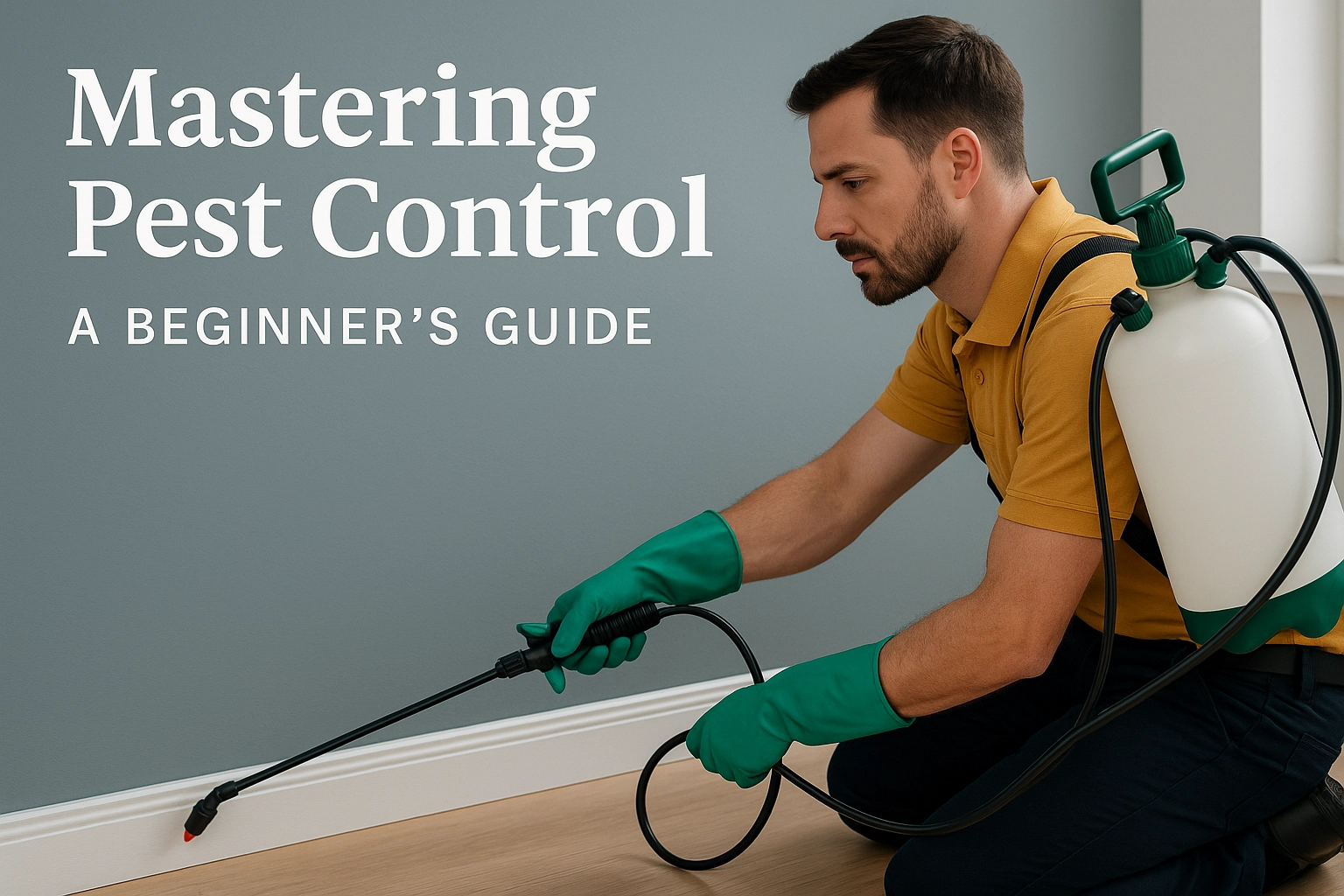
If you’ve spotted a trail of ants in the kitchen, silverfish in the bathroom, or heard the late-night scuttle of something you can’t see, you’re in the right place. Mastering pests isn’t about guesswork or harsh chemicals—it’s about using a clear, proven process. In this beginner-friendly how-to, we’ll demystify bugs and pest control so you can act with confidence, protect your home, and prevent repeat infestations.
In the pages ahead, you’ll learn how to correctly identify common household pests and the telltale signs they leave behind, assess the severity of a problem, and choose safe, effective treatment options. We’ll cover essential prevention tactics—from sealing entry points to smart sanitation—along with when and how to use traps, baits, and targeted treatments. You’ll also get practical checklists, guidance on avoiding common mistakes, and criteria for when it’s time to call a professional. By the end, you’ll have a step-by-step framework for stopping pests quickly, keeping them out for good, and maintaining a healthier, more resilient home.
Prerequisites for Effective Pest Control
Step 1: Understand pest biology and behavior
Pests thrive when food, water, and shelter align—your first task is to break that triangle. Learn core life cycles (egg–nymph/larva–adult) and behaviors: many insects are nocturnal, thigmotactic, and moisture‑seeking, so inspections target cracks, voids, and wet areas. Evidence shows Integrated Pest Management (IPM) outperforms spray‑only routines, delivering better control with fewer chemicals while emphasizing sanitation and exclusion. Track resistance risks too; for example, bed bugs increasingly show gene‑level mutations that blunt common insecticides, and researchers are exploring gut‑symbiont targets as future controls. Expected outcome: accurate identification and timing so every action hits a vulnerable stage and makes bugs and pest control measurably more effective.
Step 2: Familiarize with common pests and their habitats
Next, know your likely invaders and their homes. German cockroaches favor warm, humid kitchens and bathrooms; ants trail from exterior nests to sweets or oils; mice run wall lines through quarter‑inch gaps; bed bugs hide in mattress seams and headboards; mosquitoes breed in tiny standing water. Confirm with signs—frass, smear marks, shed skins, pheromone‑laden droppings, or linear bite patterns. AI‑driven ID tools are trending, and the profession’s scale (31,000+ firms, 167,232 specialists), an 11% service rise in June 2025, and a projected market expansion from $22.7B to $29.1B by 2026 reflect proven playbooks and a shift to sustainability per industry trends for 2025. Expected outcome: a prioritized map of hotspots, times, and conditions to inspect.
Step 3: Gather essential tools and materials
Finally, assemble an IPM toolkit. Essentials include a bright flashlight, kneepads, magnifier, sticky monitors and pheromone traps, HEPA vacuum with crevice tools, nitrile gloves and an N95, silicone caulk, steel wool, door sweeps, sealed bins, and labeled containers. Add targeted controls: snap traps and tamper‑resistant bait stations for rodents; gel baits for ants and cockroaches; desiccant dusts (diatomaceous earth or silica aerogel) for voids; insect growth regulators for juveniles. Use a smartphone for photos, moisture checks, log sheets, and trap counts; measuring declines prevents unnecessary spraying. Expected outcome: a safer, lower‑toxicity program aligned with modern IPM and eco‑friendly remediation strategies.
Step-by-Step Guide to Integrated Pest Management (IPM)
1) Conduct regular pest inspections
Establish a routine: conduct weekly inspections in high-risk areas and monthly elsewhere, adjusting seasonally as pressure changes. Prioritize kitchens, utility rooms, rooflines, foundations, drains, and vegetated perimeters, looking for food, water, and shelter convergence points you identified earlier. Materials: flashlight, sealable sample bags, sticky traps, screwdriver for access panels, moisture meter, and a notes app or clipboard. Expected outcome: a baseline site map highlighting conducive conditions and likely entry points before populations surge.
2) Identify and monitor pest activity
Use your species ID from the prerequisites to place monitors strategically: sticky traps under sinks, pheromone lures for pantry moths, and UV light traps in dark storage. Log counts and locations daily at first, then weekly, and define action thresholds (for example, more than five German cockroaches per trap per week triggers intervention). Consider 2025 tools—AI-enabled cameras and smart sensors—to automate detection and trend analysis as recommended in current entomology trends. Expected outcome: a time-stamped activity map that reveals sources, pathways, and hotspots for precise intervention.
3) Implement control measures using IPM principles
Start with cultural and physical controls: correct moisture, tighten sanitation, seal 1/4-inch gaps, install door sweeps, and prune vegetation; removing sugar residues alone can cut ant foraging by 50% in kitchens. Add biologicals where appropriate (e.g., Bacillus thuringiensis for caterpillars, beneficial nematodes for soil pests) and deploy least-risk baits or insect growth regulators before any spray. Research shows IPM programs outperform routine spray-only approaches and align with sustainability priorities; emerging tactics even target insect gut symbionts, while rising resistance (e.g., bed bug gene mutations) demands rotating modes of action. Expected outcome: measurable population reductions with minimal pesticide exposure and residue.
4) Evaluate and adapt strategies based on results
Reassess every 7–14 days: track trap catches, sightings, and complaints, aiming for steady declines. If thresholds persist, intensify exclusion, modify sanitation schedules, swap bait matrices, and rotate actives by IRAC group; consider eco-friendly residue remediation when chemicals have been used. If counts haven’t dropped by 70% within a month, consult a professional—among over 31,000 businesses and 167,232 specialists—with industry momentum confirmed as the U.S. pest control industry jumped 11% in June 2025 and projected to grow from $22.7B to $29.1B by 2026. Expected outcome: a living IPM plan that iteratively improves, aligns with recent sustainability advances, and keeps bugs and pest control costs in check.
Novel Pest Control Methods Using Insect Gut Microbiome
Why target the insect gut microbiome
For many insect pests, gut microbes are essential for digestion, detoxifying plant defenses, vitamin production, and even pesticide tolerance. Disrupting these symbionts can reduce survival, reproduction, and resistance—offering a new mode of action that complements Integrated Pest Management (IPM), which consistently outperforms spray-only programs. Research shows that targeting gut symbionts is a promising frontier in bugs and pest control; see this overview of the role of gut symbionts in pest control. Practical examples include Bacillus thuringiensis (Bt) strains that act in the insect gut (Bt kurstaki for caterpillars, Bt israelensis for mosquito larvae) and bait strategies that leverage gut physiology. With bed bugs now exhibiting gene mutations linked to insecticide resistance, new microbiome-driven tactics can diversify your toolbox while aligning with the industry’s shift toward sustainable, data-driven IPM.
Step-by-step: Piloting microbiome-based control
Prerequisites: Confirm accurate pest ID, pressure hotspots, and sanitation/habitat corrections from your IPM plan. Establish a baseline count (sticky traps, visual counts, or larval dips for mosquitoes).
Materials needed: Registered microbial products that act in the gut (Bt kurstaki, Bt israelensis), labeled bait stations or larval habitats, PPE, a monitoring app or spreadsheet (AI-enabled inspection tools are increasingly available), and cooperation with an extension lab if you plan to verify microbial impacts.
- Select the target and tactic: Caterpillars on vegetables/ornamentals → Bt kurstaki; mosquito larvae in standing water → Bt israelensis; aphids → trial microbial rotations alongside biological controls rather than broad-spectrum sprays.
- Set up small pilot plots or zones with untreated controls to measure true effect.
- Apply strictly per label: pH, UV, and water quality matter for Bt performance.
- Monitor outcomes at 48–72 hours and again at 7–14 days; record counts, plant damage, and re-infestation.
- Integrate wins into your IPM calendar; rotate modes of action to slow resistance, and automate trend detection with digital tools.
Expected outcomes: Faster knockdown in susceptible life stages, reduced reliance on broad-spectrum sprays, and clearer data signals when combined with IPM scouting.
Benefits, challenges, and solutions
Benefits: New modes of action for resistance management, lower non-target impact, and alignment with eco-friendly remediation trends. Challenges: Strain specificity, environmental sensitivity (UV, temperature), and regulatory compliance. Solutions: Start with registered gut-active microbials, partner with universities, and use AI-based monitoring. With the sector growing from $22.7B to $29.1B by 2026, 11% YoY service gains (June 2025), and 31,000+ firms employing 167,000+ specialists, early adopters of microbiome-based IPM will be best positioned for sustainable performance.
Eco-Friendly Pest Control Solutions
Eco-friendly pest control is no longer niche; it is the industry’s growth engine. With more than 31,000 businesses and 167,232 specialists operating today, the sector is expanding from $22.7 billion to a projected $29.1 billion by 2026, including an 11% uptick in U.S. service demand in June 2025. That growth is tied to smarter, lower-toxicity tools: advances in Integrated Pest Management (IPM) that prioritize prevention, targeted baits, microbials, and data-driven decisions. Peer-reviewed analyses confirm that IPM reduces chemical use while improving outcomes compared with routine spray programs (peer‑reviewed evidence that IPM outperforms routine sprays). Recent research also highlights resistance risks (e.g., bed bug gene mutations) and novel approaches, such as disrupting insect gut symbionts, pushing the field toward sustainability.
Prerequisites and materials
- Baseline monitoring data (2–3 weeks of sticky trap/interceptor counts)
- Sealing supplies (silicone caulk, door sweeps, mesh screens)
- Botanical or microbial products (e.g., essential-oil aerosols, Beauveria bassiana, Bti for mosquitoes)
- Targeted baits and insect growth regulators (IGRs) where allowed
- Smart sensors/traps or a phone with a monitoring app
- PPE: gloves, mask, eye protection
Step-by-step: implement eco-friendly controls with smart tech
- Map hotspots: Log sightings, droppings, and trap counts room-by-room; set action thresholds (e.g., >3 cockroaches/trap/week or any bed bug capture).
- Exclude and sanitize: Seal gaps ≥1/8 inch, install door sweeps, fix drips, and remove clutter; expect a 20–40% decline in captures within one life cycle.
- Deploy targeted baits: Place gel baits for cockroaches near harborages; avoid broad sprays to protect beneficials and slow resistance.
- Use microbials and botanicals: Apply Beauveria bassiana for bed bugs and Bti in standing water; these reduce chemical residues and align with agricultural remediation trends.
- Integrate smart monitoring: Install Bluetooth/AI-enabled traps or app-based inspection logs to flag spikes and auto-schedule follow-ups—an emerging 2025 trend in entomology.
- Rotate modes of action: Alternate baits/IGRs; use heat/steam for suspected resistant bed bugs to prevent rebound.
Measuring impact on pest populations
- Compare weekly trap means; aim for a 30–60% reduction over 4–8 weeks and zero bed bug intercepts for 60 days.
- Track pesticide volume used; IPM typically cuts applications while maintaining control.
- If thresholds persist, escalate precision tactics (more exclusion, targeted baits) rather than broad spraying. Transition next to seasonal prevention plans to lock in gains.
Troubleshooting Common Challenges in Pest Control
Troubleshooting persistent bugs and pest control challenges requires a methodical, data-driven approach. With service demand up 11% year over year in June 2025, pressures are rising in homes and workplaces, and guesswork wastes time and money. Evidence shows Integrated Pest Management (IPM) outperforms spray-only tactics, particularly when pests adapt or conditions shift. Recent advances emphasize sustainability and novel biologies, including strategies that disrupt insect gut symbionts, but beginners should focus on fundamentals first. Use the steps below to stabilize infestations faster, with fewer callbacks and safer outcomes.
Prerequisites and materials
- Prerequisites: basic pest ID, label literacy, and a simple inspection checklist.
- Materials: flashlight, sticky traps/interceptors, HEPA vacuum, mattress/box-spring encasements, clothes dryer or steamer, desiccant dust (silica gel), gel baits, sealant/door sweeps, thermometer/hygrometer, weatherproof pesticide storage, and a logbook or app.
Step 1 — Manage pesticide resistance (bed bugs as a model)
Bed bugs increasingly carry gene mutations that reduce susceptibility to common pyrethroids, so rotate products by mode of action and avoid repeating the same active ingredient. Pair chemical tools with high-impact non-chemical steps: launder or heat-treat items to 60°C (140°F), steam seams and cracks, install encasements, vacuum harborages, and apply silica gel dust in wall voids and bed frames. Use interceptors under bed legs to quantify activity weekly; a declining catch trend validates your protocol. If a product fails after two correctly timed applications, assume resistance and pivot to an alternative class or a heat-first approach. Expected outcome: measurable weekly declines in interceptor counts and bite reports within two to three weeks.
Step 2 — Adjust for climate-driven shifts in pest activity
Warmer winters and longer warm seasons extend breeding cycles for ants, roaches, and mosquitoes; replace calendar spraying with monitoring tied to temperature and moisture. Increase inspections during heatwaves and after rain, elevate sanitation standards, and prioritize exclusion (door sweeps, screens, sealing utility penetrations). Choose formulations that fit conditions; gels and baits remain effective in heat where residues degrade faster. Track humidity with a hygrometer and fix indoor dampness that accelerates mold-feeding pests. Expected outcome: fewer surprise outbreaks and faster containment when seasonal pressure spikes.
Step 3 — Adapt tactics to extreme weather
Before storms, secure bait stations, move products to weatherproof storage, and pre-treat exterior ant trails with non-repellent baits. After heavy rain or floods, restore dryness within 24–48 hours, remove standing water to cut mosquito breeding, and reapply exterior barriers washed away by runoff. During heatwaves, schedule applications in cooler hours, select heat-stable baits, and protect applicators and occupants. In droughts, anticipate rodent ingress; seal 1/4-inch gaps, tighten food storage, and deploy snap traps along runways instead of relying on repellents. Expected outcome: maintained control despite weather shocks, with stable monitoring counts and reduced reinfestation risk.
Conclusion: Effective Strategies for Sustainable Pest Control
Sustainable control playbook
Here’s a concise, sustainable playbook for bugs and pest control, grounded in research showing Integrated Pest Management outperforms spray-only programs. Prerequisites and materials: define action thresholds, keep a site log, confirm pest IDs, and have sticky traps and pheromone lures, sealants and door sweeps, a HEPA vacuum, rotation-ready baits and IGRs or botanicals, PPE, and a simple photo‑logging app. Expected outcomes include fewer callbacks, lower residues through eco‑friendly remediation when needed, and more targeted treatments with less pesticide.
- Commit to IPM: schedule inspections, set numeric thresholds, and rotate modes of action.
- Harden the site—tighten sanitation, exclusion, and moisture control.
- Monitor smartly with traps, digital logs, and AI recognition to flag spikes sooner.
- Apply targeted controls: favor baits, IGRs, botanicals, and heat; avoid single-class reliance as bed bugs and other pests develop resistance via gene mutations.
- Review and adapt monthly: analyze trap trendlines, retrain staff, and reset thresholds as seasons shift.
Stay alert to emerging science—IPM keeps advancing, novel tools target gut symbionts, and eco‑friendly remediation is replacing legacy residues. With the industry growing from $22.7B to $29.1B by 2026, demand up 11% in June 2025, and over 31,000 firms employing 167,232 specialists, expect faster change. To stay ahead, schedule quarterly IPM training, pilot AI monitoring with a documented baseline, and run small trials comparing new microbiome‑targeting or reduced‑risk products to your current standard. This deliberate, data‑first cycle will keep control effective, compliant, and genuinely sustainable.