
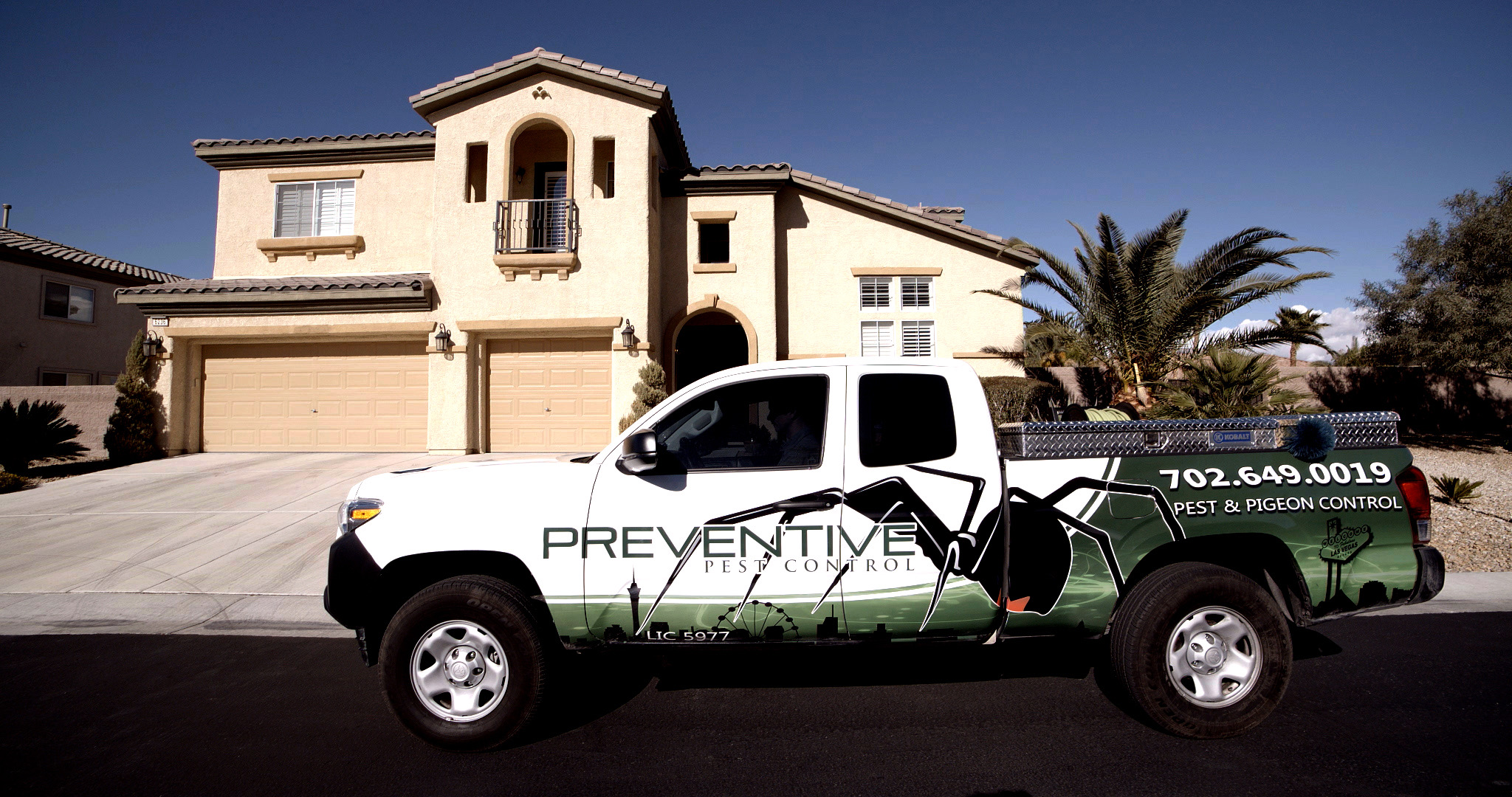
Las Vegas homes face pest pressure that can change quickly with heat, dry soil, irrigation, shaded patios, roofline gaps, and sudden moisture around the property. Ants may trail toward kitchens and water sources. Rodents may use garages, storage areas, and utility openings. Termites can work quietly near wood and soil contact. Scorpions, spiders, cockroaches, mosquitoes, bed bugs, wasps, and pigeons may also become more noticeable when shelter, food, water, or nesting areas are available.
Preventive pest treatments protect homes by reducing the conditions that allow pests to settle in the first place. Instead of waiting for an infestation to become obvious, a professional plan uses inspection, targeted treatment, monitoring, and long-term prevention. That approach is especially valuable in Southern Nevada, where desert pests can move from exterior pressure points into living spaces before homeowners realize a pattern is developing.
Inspection Finds Pest Pressure Early
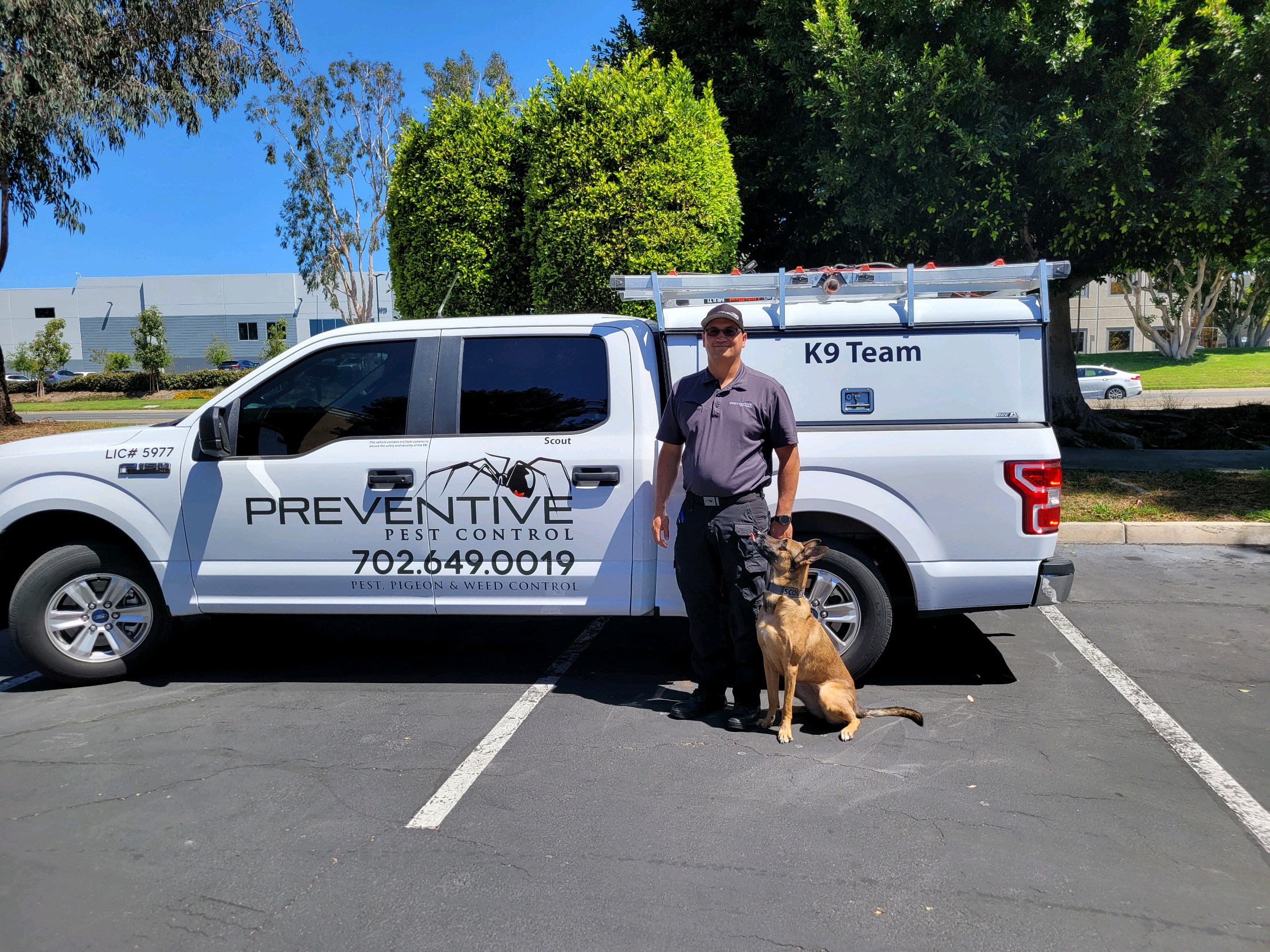
A preventive service starts with a careful inspection. The technician looks for pest evidence, entry points, moisture, shelter, and travel routes. This step matters because the first visible pest is often not the full problem. An ant trail may start outside. A cockroach sighting may be connected to moisture. A scorpion may follow insects near the foundation. A rodent clue may point to an opening near the garage or roofline.
Important inspection areas include:
- Foundation edges, garage seals, vents, door gaps, and utility openings
- Sprinkler boxes, drip lines, shaded soil, and damp landscape pockets
- Kitchens, bathrooms, laundry rooms, trash areas, and storage spaces
- Eaves, patios, rooflines, ledges, and places where pigeons or wasps gather
- Wood contact, crawl-space conditions, and termite-risk areas near the structure
This inspection-based process helps the treatment match the actual pressure. It also gives homeowners a clearer explanation of what is active, what could become active, and which areas need follow-up. A complete inspection also helps avoid over-treating spaces that do not need attention while focusing on the routes pests are already using.
Exterior Barriers Reduce Indoor Intrusions
Many Las Vegas pest problems begin outside. Heat can push pests toward cooler shelter, while irrigation can create small moisture zones near walls and patios. Preventive exterior treatments create a planned line of defense around the routes pests use most often. This is useful for ants, cockroaches, spiders, scorpions, rodents, mosquitoes, wasps, termites, and other listed pest concerns that may move close to the home.
Professional treatments are placed with purpose. They may focus on foundation edges, garage thresholds, wall void access points, landscape borders, nesting areas, or shaded harborage. The goal is not random coverage. The goal is to reduce pest movement before it reaches bedrooms, kitchens, bathrooms, storage rooms, or family spaces. A well-planned barrier also supports commercial properties where deliveries, doors, trash areas, and customer traffic can create steady access.
Wasps are a good example of why prevention matters. A nest near a door, patio, roofline, or play area can become a safety concern as activity grows. Guidance on wasp prevention shows why early attention is safer than waiting until the nest is disturbed.
Ongoing Service Adjusts To Seasonal Changes
Preventive pest treatments work best when they respond to the season. Las Vegas weather can shift pest behavior throughout the year. Summer heat may increase scorpion, ant, and cockroach activity near moisture. Cooler periods may bring more rodent pressure around garages and storage. Mosquitoes may build around water sources, while termites may stay hidden until signs appear.
A year-round plan may include:
- Monitoring pest activity after weather changes, irrigation shifts, or storms
- Adjusting treatment around ants, scorpions, spiders, roaches, mosquitoes, and rodents
- Checking termite-risk conditions before hidden damage becomes more expensive
- Reviewing bed bug concerns when travel, guests, or shared furniture increase risk
- Watching wasp, pigeon, and nesting activity around rooflines, ledges, and exterior gaps
This long-term approach is different from reacting to every sighting with a one-time product. A professional can compare new findings with past activity and adjust the plan before pests gain a stronger foothold.
Store-bought products may appear convenient, but they often treat only what is visible. A discussion of OTC product limits explains why repeated purchases can miss the source and cost more over time. Preventive service focuses on the route, the pest, and the property conditions behind the activity. That careful process is especially useful when several pests share the same moisture, shelter, or entry-point conditions around the home. It can also help homeowners understand which recommendations are urgent, which are preventive, and which should be checked again during the next scheduled visit.
Keep Las Vegas Pest Pressure From Building
Preventive protection gives homeowners a more organized way to manage desert pest pressure. When inspection, exterior defense, seasonal adjustment, and follow-up work together, the home is less dependent on short-term reactions. For help protecting a Las Vegas property from ants, rodents, termites, scorpions, bed bugs, mosquitoes, cockroaches, spiders, wasps, pigeons, and recurring pest concerns, contact Preventive Pest Control.