
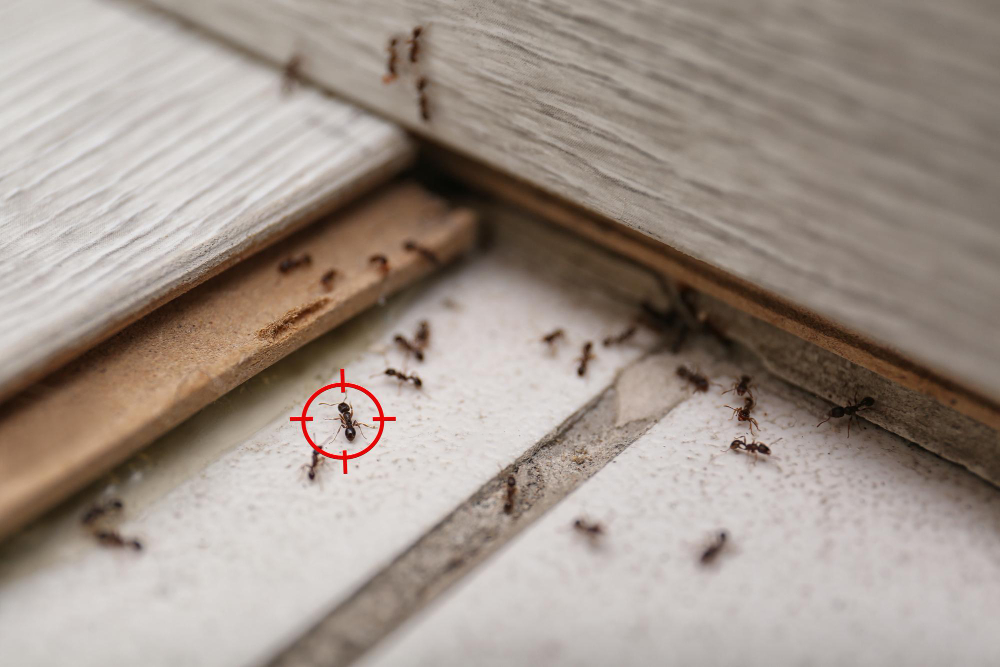
Summer in Las Vegas brings more than rising temperatures. It also creates ideal conditions for increased pest activity around homes and properties. As outdoor heat intensifies, many pests begin searching for cooler environments with easier access to water, food, and shelter. Homes naturally provide these conditions, which is why infestations often become more noticeable during the hottest months of the year.
Many summer pest problems begin quietly. A few ants near the kitchen, occasional spider sightings, or signs of cockroach activity may not seem serious at first. However, warm weather accelerates breeding cycles and increases pest movement, allowing infestations to grow faster than many homeowners expect.
Understanding how seasonal conditions affect pest behavior is an important part of long-term prevention and control.

Why Summer Heat Increases Pest Activity
Extreme desert temperatures place constant pressure on pests outdoors. When heat and dry conditions become difficult to tolerate, insects and rodents begin moving toward indoor environments where survival conditions are more stable.
Las Vegas homes often provide exactly what pests are searching for. Air-conditioned interiors, moisture from plumbing, accessible food sources, and shaded shelter all attract pests during summer. As a result, activity involving ants, cockroaches, spiders, scorpions, rodents, mosquitoes, and other common pests often increases significantly.
Heat also affects reproduction cycles. Many pests develop and reproduce more quickly in warmer conditions, which means populations can expand rapidly once they establish nesting areas indoors.
This is one reason small pest issues can become much larger problems over time.
Common Summer Pest Problems In Las Vegas Homes
- Ant infestations. Colonies expand quickly while searching for food and water
- Cockroach activity. Indoor moisture and shelter attract nesting populations
- Scorpion sightings. Increased insect activity creates stronger food sources
- Rodent movement. Pests seek cooler shelter during extreme heat
- Spider activity. Larger insect populations attract hunting spiders indoors
These pest problems often overlap during the summer months because changing environmental conditions affect multiple species at the same time.
Areas Around The Home That Attract Pests
- Kitchens and pantries. Food access encourages ongoing activity
- Bathrooms and laundry rooms. Moisture supports survival during dry weather
- Garages and storage spaces. Low-traffic areas provide shelter and nesting conditions
- Landscaping and irrigation zones. Water sources attract insects and rodents
- Exterior gaps and cracks. Small openings allow pests to enter structures easily
These vulnerable areas become more attractive as outdoor temperatures continue rising. Once pests establish activity indoors, infestations often spread into hidden spaces such as walls, crawl spaces, and storage areas.
This process may happen gradually at first, which is why many homeowners do not recognize the severity of the problem until activity becomes more visible.
Why Summer Infestations Often Spread Quickly
Warm weather creates ideal breeding conditions for many pests. Increased temperatures allow populations to reproduce faster while encouraging pests to remain active longer throughout the day and night.
Cockroaches, for example, thrive in warm environments with access to moisture. Ant colonies expand aggressively when food becomes easier to locate. Rodents may move indoors more frequently when outdoor conditions become too dry.
One pest problem can also contribute to another. Increased insect activity naturally attracts spiders and scorpions searching for food. This chain reaction allows multiple pest problems to develop simultaneously within the same property.
Sensitive households may face additional concerns during treatment planning. Understanding sensitive home treatments can help property owners better understand how prevention strategies are approached in homes requiring extra consideration.
Signs That Pest Activity May Be Increasing
- Frequent sightings indoors. Increased daytime or nighttime pest activity
- Droppings or debris. Evidence of nesting or feeding behavior
- Activity near moisture. Pests gathering around plumbing or drains
- Unusual odors. Larger infestations sometimes produce strong smells
- Increased outdoor activity. Visible movement around landscaping or entry points
These warning signs often indicate that pest populations are becoming established. In many cases, visible activity represents only a portion of the infestation already developing behind walls or beneath flooring.
Early response can help reduce the likelihood of infestations spreading further into the property.
Why One-Time Solutions Often Fall Short
Summer pest problems are rarely resolved through short-term solutions alone. Visible activity may decrease temporarily, but hidden nesting areas and environmental attractants often remain active.
Extreme heat continues pushing pests indoors throughout the season, which creates ongoing pressure around homes and buildings. Without a long-term approach, new infestations can continue developing even after temporary relief.
This is especially true when using over-the-counter products that focus primarily on surface-level activity. Comparing professional versus OTC treatments can provide additional perspective on why recurring infestations often require more consistent management strategies.
Why Long-Term Prevention Matters During Summer
- Heat accelerates breeding cycles. Pest populations expand faster during the summer
- Indoor shelter remains attractive. Cooler conditions encourage continued activity
- Hidden infestations develop quietly. Activity often spreads before becoming obvious
- Environmental conditions constantly shift. New pest pressure develops throughout the season
- Preventive strategies reduce recurring issues. Consistent monitoring helps limit infestations
Summer conditions in Las Vegas create an environment where pest activity can increase rapidly if left unmanaged. Long-term prevention helps reduce the likelihood of larger infestations while supporting a more stable indoor environment throughout the hottest months of the year.
Stay Ahead Of Summer Pest Activity
If rising temperatures are increasing pest activity around your home, taking action early can help prevent infestations from becoming more difficult to manage later in the season. Contact Preventive Pest Control to learn more about pest prevention solutions designed for long-term protection during extreme desert heat.