
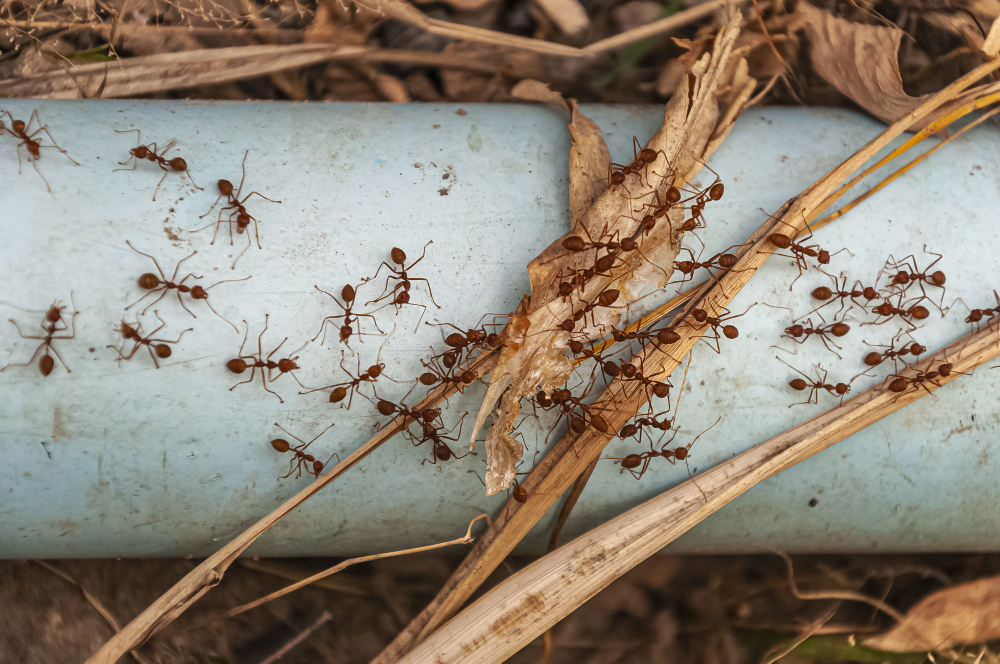
Ant activity inside kitchens can escalate surprisingly fast, especially in warm desert climates like Las Vegas. A few visible ants near the sink or pantry may seem minor at first, but those early sightings often signal that worker ants have already identified dependable food or water sources inside the home. Once a trail becomes established, colonies can continue sending more ants indoors repeatedly.
Kitchens naturally provide many of the conditions ants seek. Moisture, crumbs, spills, warmth, food storage, and hidden access points all contribute to activity. In some cases, surrounding pest pressure involving cockroaches, spiders, rodents, scorpions, crickets, bed bugs, or termites may also indicate environmental conditions that support broader pest movement throughout the property. Understanding why ant problems develop so quickly helps homeowners respond before colonies become harder to manage.
Why Kitchens Naturally Attract Ant Activity
Ants are highly efficient at locating food and moisture. Even clean kitchens can provide enough attraction to support repeated activity once worker ants begin scouting indoors. Small crumbs beneath appliances, residue near trash bins, sugary spills, pet-food areas, and moisture around sinks all create opportunities for ants to settle nearby.
- Water around sinks and dishwashers supports hydration needs
- Pantry crumbs and sugary residue attract foraging worker ants
- Pet-food bowls can become reliable feeding stations overnight
- Gaps around pipes and utility lines create hidden entry routes
- Warm kitchen conditions help ants remain active longer indoors
Once food sources are identified, ants leave behind pheromone trails that guide additional workers back to the same location. This communication system is one reason activity may seem to increase suddenly within only a few days.
Exterior conditions also matter. Landscaping, irrigation, and foundation gaps may support nesting areas close to the structure. Seasonal pest movement often increases during warmer months as insects search for stable resources near homes. Homeowners dealing with broader seasonal activity can learn more through these spring pest patterns.
Small Openings Can Lead To Large Ant Problems
Many ant infestations begin through openings homeowners rarely notice. Tiny structural gaps around windows, plumbing lines, weather-stripping, and door frames can provide enough space for ants to move indoors regularly. Once trails become active, worker ants may continue using the same routes repeatedly.
Professional inspections often focus on identifying these hidden access points because visible ants rarely tell the full story. The actual colony may remain outdoors, inside wall voids, beneath foundations, or near irrigation lines while workers travel back and forth into the kitchen.
- Cracks near windows can support repeated indoor access
- Utility penetrations may allow hidden movement behind walls
- Loose weather-stripping creates easy entry near doors
- Moisture-damaged materials can attract nesting activity nearby
- Outdoor debris near foundations may support hidden colonies
Some ant species become especially difficult to manage once multiple satellite colonies develop around the property. Harvester ants, for example, may create noticeable activity outdoors while still contributing to broader ant pressure around homes. More information about their behavior can be found in this guide to harvester ant activity.
Why Ant Trails Often Return After Surface Treatments
Many homeowners become frustrated when ants disappear briefly and then return again days later. This usually happens because surface-level treatments may affect visible workers without fully addressing the colony itself. Ant populations are often spread across hidden nesting areas that remain protected from short-term treatments.
In kitchens, trails may temporarily stop after cleaning or spraying, but colonies can continue searching for food and moisture nearby. If entry points, environmental conditions, or nesting areas remain unchanged, ants often reappear under similar conditions.
Professional ant control focuses on understanding colony behavior rather than reacting only to visible activity. Identifying the species, nesting location, moisture sources, and movement patterns helps create a more targeted long-term strategy. This broader approach becomes especially important when recurring activity spreads beyond the kitchen into garages, bathrooms, laundry rooms, or exterior walls.
Conditions That Allow Ant Activity To Grow Indoors
Ant problems rarely develop because of one isolated issue. More often, several small conditions combine to make kitchens easier for colonies to exploit over time. Humidity, food storage habits, clutter, exterior vegetation, and unnoticed moisture leaks can all contribute to activity indoors.
Homes with ongoing pest pressure may also experience overlapping conditions that support ants and other insects simultaneously. Cockroaches, spiders, crickets, rodents, termites, scorpions, and earwigs may become more active when moisture, shelter, and food sources remain available around the property.
Consistent monitoring plays an important role in prevention. Small ant sightings should not automatically be dismissed because colonies can expand quietly behind walls or beneath flooring long before visible activity becomes widespread. Early evaluation helps identify developing conditions before they support larger infestations later in the season.
Protecting Kitchens Before Colonies Expand
Ant activity inside kitchens often points to larger environmental or structural conditions that deserve attention. Effective prevention usually involves more than removing visible ants from countertops or floors. Long-term control depends on identifying how ants entered, what resources attracted them, and where colonies may be developing nearby. For professional support with persistent ant problems and targeted pest management solutions, contact Preventive Pest Control.