
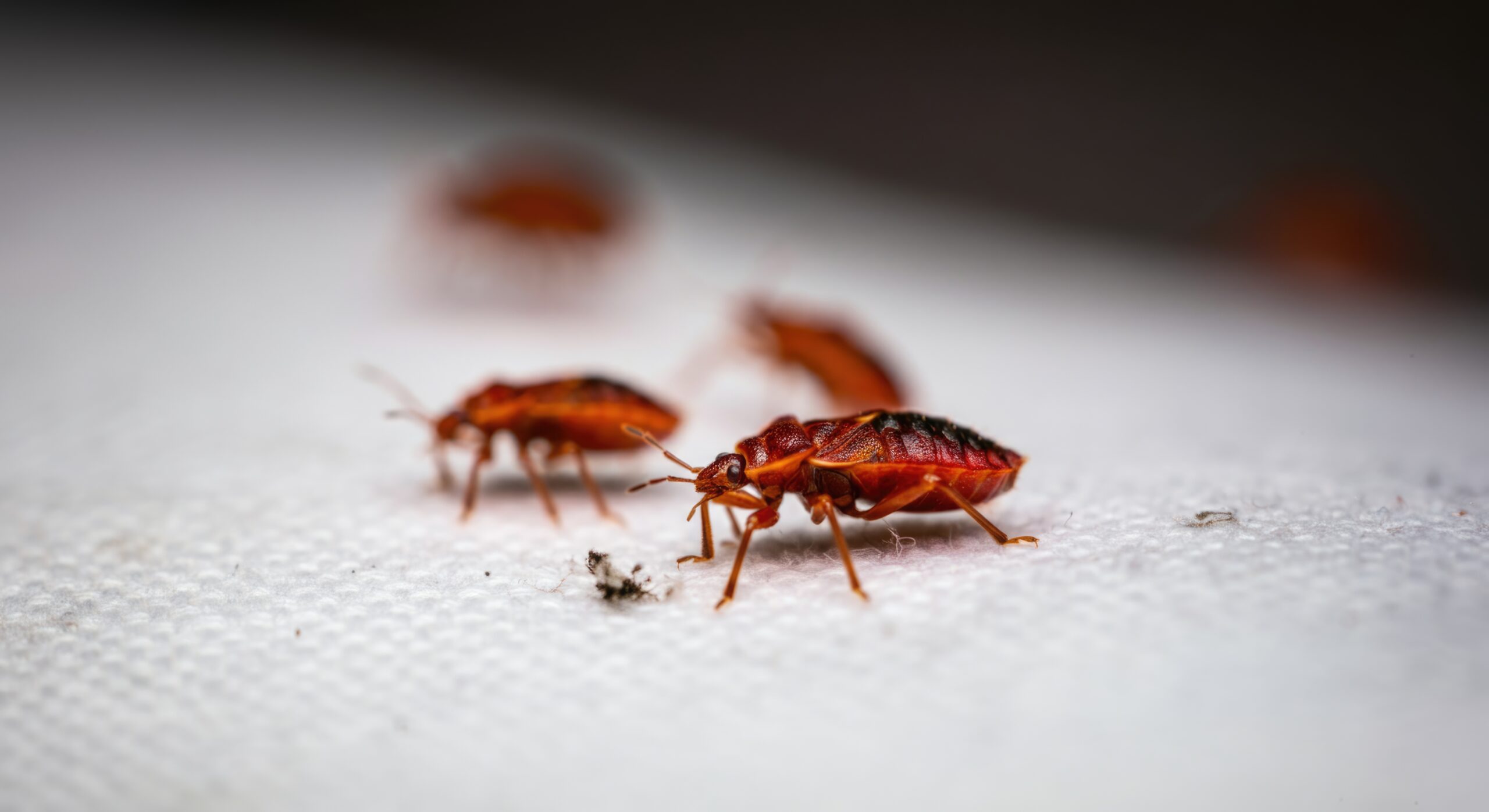
Bed bugs are among the most difficult household pests to detect early. They hide in narrow cracks, mattress seams, furniture joints, wall voids, and other concealed areas where activity can remain unnoticed for long periods. By the time visible signs appear, infestations are often more widespread than expected.
This is one reason bed bug problems can become difficult to manage quickly.
Traditional visual inspections remain important, but they may not always identify hidden activity during the early stages of an infestation. K9 bed bug inspections add another layer of accuracy by helping locate areas that may otherwise go undetected. Their ability to identify scent-based activity allows inspections to become more targeted and efficient.

Why Bed Bugs Are Difficult To Detect
Bed bugs are highly skilled at remaining hidden. Unlike pests that openly search for food or water, bed bugs spend much of their time concealed in protected spaces close to sleeping areas.
They are also nocturnal, which means most activity happens at night when people are asleep. During the day, bed bugs stay hidden inside furniture, flooring, upholstery, electrical outlets, and other hard-to-reach locations.
Small infestations are especially difficult to locate because activity may be limited to a few hidden areas. Homeowners often mistake early warning signs for other issues, allowing infestations to continue spreading unnoticed.
This is why accurate detection plays such an important role in long-term bed bug management.
How K9 Bed Bug Inspections Improve Accuracy
- Advanced scent detection. Trained dogs can identify bed bug odor quickly
- Faster inspection process. Large areas can be evaluated more efficiently
- Detection of hidden activity. Bed bugs concealed inside walls or furniture become easier to locate
- Early infestation identification. Smaller infestations may be found before spreading further
- More targeted treatment planning. Accurate detection improves treatment precision
K9 inspections help narrow down where activity is occurring instead of relying only on visible signs. This allows treatment efforts to focus more directly on affected areas.
Why Early Detection Matters With Bed Bug Problems
One of the biggest challenges with bed bug problems is how quickly infestations can expand. Bed bugs reproduce steadily once established indoors, and hidden populations may continue growing even when visible activity seems limited.
Early detection helps reduce this risk.
When infestations are identified sooner, treatment strategies can often be more focused and manageable. Delayed detection, however, allows bed bugs to spread into additional rooms, furniture, and structural areas.
This is especially important in environments such as apartments, hotels, and multi-room properties where infestations may move between connected spaces more easily.
Understanding how detection methods work can provide additional insight into why specialized inspections are valuable. Reviewing K9 inspection research highlights how scent detection improves inspection efficiency and accuracy.
Common Signs That May Suggest Bed Bug Activity
- Small bite patterns. Repeated bites appearing overnight
- Dark spotting on bedding. Small stains near mattresses or furniture
- Shed skins. Evidence of bed bug growth and development
- Musty odors. Larger infestations may produce unusual smells
- Visible insects near sleeping areas. Bed bugs appear around seams or cracks
These warning signs often appear after activity has already increased. Because bed bugs remain hidden so effectively, infestations may continue developing even when visible signs seem minimal.
K9 inspections help bridge this gap by identifying hidden activity earlier in the process.
Why Visual Inspections Alone May Miss Hidden Infestations
Visual inspections remain an important part of identifying bed bug activity, but they have limitations. Bed bugs are extremely small and can fit into spaces that are difficult to inspect thoroughly during routine evaluations.
Furniture seams, electrical outlets, behind baseboards, and wall voids all provide hidden shelter where bed bugs may remain unnoticed. In larger properties, inspecting every potential hiding spot manually can become time-consuming and difficult.
This is where K9 inspections provide an advantage. Trained detection dogs help narrow the search by identifying areas where bed bug scent is present, allowing inspections to become more focused and efficient.
For additional guidance on managing infestations after detection, exploring bed bug removal steps can help explain how treatment strategies are approached once activity is confirmed.
Areas Where Bed Bugs Commonly Remain Hidden
- Mattress seams and box springs. Common nesting and resting locations
- Upholstered furniture. Fabric folds provide concealed shelter
- Baseboards and wall gaps. Hidden structural spaces support activity
- Electrical outlets. Small protected openings allow concealment
- Luggage and stored belongings. Bed bugs may spread through transported items
Because infestations often develop in these concealed spaces, detection accuracy becomes critical for long-term control.
Why Long-Term Bed Bug Control Requires Accurate Detection
- Hidden activity spreads quietly. Infestations often expand before becoming obvious
- Small infestations grow quickly. Delayed detection increases population size
- Targeted treatment improves results. Accurate inspections support more effective planning
- Connected spaces increase risk. Bed bugs may spread between rooms or units
- Ongoing monitoring reduces recurrence. Early identification helps prevent larger infestations
Bed bug control depends heavily on identifying the full scope of activity before treatment begins. Missing hidden areas can allow infestations to continue even after initial treatment efforts appear successful.
Accurate inspections help reduce this risk by improving visibility into where activity is occurring throughout the property.
Improve Detection Before Infestations Spread
If you suspect bed bug activity or want more accurate inspection results, early detection can make a significant difference in long-term management. Contact Preventive Pest Control to learn more about inspection and treatment solutions designed to address hidden bed bug problems effectively.