
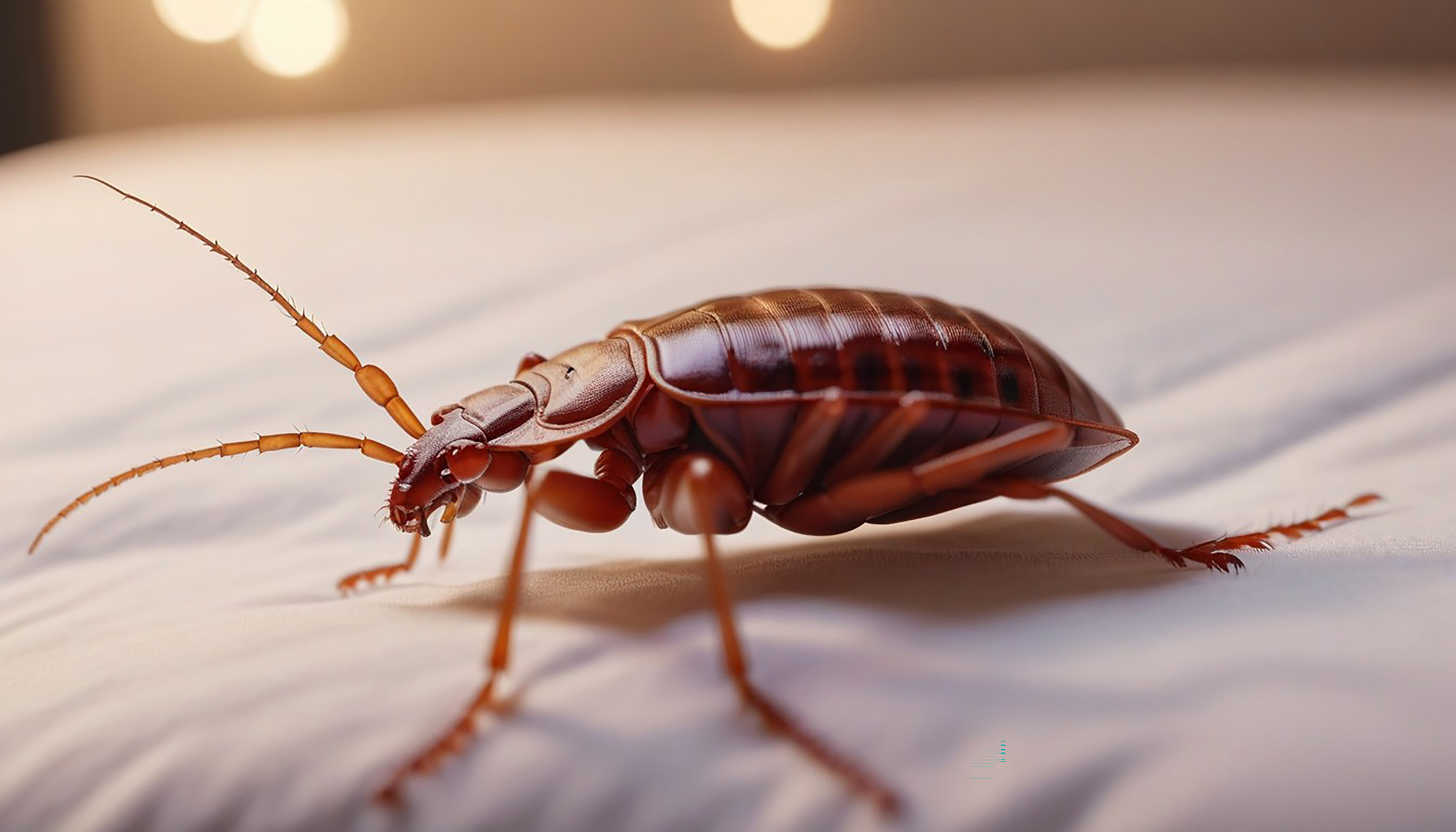
Travel can expose people to bed bugs in hotels, short-term rentals, airplanes, luggage areas, shared laundry spaces, and other high-traffic environments. These pests are skilled hitchhikers that can hide in seams, folds, furniture joints, and personal belongings without being noticed immediately.
Recognizing bed bug signs early matters because a few unnoticed insects can travel home in luggage, backpacks, clothing, or soft items. Professional inspection becomes especially valuable when signs repeat, spread, or remain difficult to confirm through a visual check alone.

Check Sleeping Areas Before Unpacking
Bed bugs tend to stay close to places where people rest. Travelers should pay attention to mattresses, box springs, headboards, upholstered furniture, luggage racks, and nearby cracks before settling into a room.
Warning signs may include:
- Dark spotting along mattress seams, bed frames, or nearby furniture.
- Rusty stains on sheets or bedding may come from crushed insects.
- Pale shed skins, tiny eggs, or live reddish-brown bugs.
- A musty odor in heavier infestations.
- Repeated bites that appear after sleeping or resting.
Bites alone do not prove bed bug activity because skin reactions differ, and other pests can cause similar marks. A better approach is to look for several types of physical evidence together.
Travelers who notice recurring bites, stains, shed skins, or live insects can review these inspection warning signs to understand when professional evaluation becomes more important.
Keep Luggage Away From Beds and Upholstered Furniture
Bed bugs do not jump or fly, but they can crawl into luggage, backpacks, purses, clothing, and other belongings. Placing a suitcase directly on a bed or upholstered chair can make it easier for hidden insects to hitch a ride.
A hard-surface luggage rack may reduce direct contact with sleeping areas, but travelers should still inspect the rack itself. Bags should remain closed when not in use, and personal items should not be scattered across the room unnecessarily.
The goal is not to create panic around travel. It is to reduce opportunities for bed bugs to move unnoticed into belongings, especially in rooms where physical signs are present.
Watch for Signs After Returning Home
Bed bug signs may not appear during the trip. Some travelers notice bites, dark spots, or live insects only after returning home and unpacking.
Possible post-travel warning signs include:
- New bite patterns after sleeping at home.
- Dark marks on sheets, mattresses, or upholstered furniture.
- Live insects near seams, baseboards, headboards, or bed frames.
- Shed skins or tiny eggs in protected cracks.
- An activity that begins shortly after a hotel stay, guest visit, or trip.
Recent travel gives these signs important context. Bed bugs can also move through used furniture, overnight guests, shared laundry spaces, and multi-unit buildings, so the source is not always obvious.
When signs appear in more than one room, professional inspection can help determine whether activity has spread beyond a single sleeping area.
Hidden Activity Can Be Easy to Miss
Bed bugs are difficult to detect because they spend much of their time concealed. They may hide inside mattress seams, furniture joints, baseboards, wall gaps, electrical outlets, upholstery, and luggage.
This is where specialized detection can add value. A professional visual inspection remains important, but trained detection dogs may help identify scent-based activity in places that are hard to inspect manually.
This overview of K9 detection accuracy explains how trained dogs can help narrow the search, identify hidden activity, and support more targeted treatment planning.
A complete inspection may consider:
- Whether signs are limited to one room or appear in connected spaces.
- Where people regularly sleep, rest, or store luggage.
- Whether furniture, baseboards, outlets, or wall voids show evidence.
- Whether a small infestation may still be in an early stage.
- Whether follow-up monitoring is needed after treatment.
Accurate detection matters because missing hidden areas can allow activity to continue even when visible signs seem to decline.
Early Professional Inspection Can Limit Further Spread
Bed bugs can become more difficult to manage when activity is ignored, misidentified, or treated only where visible signs appear. Travelers may unknowingly move infested items between rooms, homes, or properties, spreading insects into new areas.
Professional inspection helps reduce guesswork by connecting bites, stains, shed skins, sightings, travel history, and hidden harborages. Treatment can then be based on where the activity is actually occurring.
The most effective response may involve careful preparation, targeted treatment, heat, freezing, residual applications, follow-up guidance, or another method suited to the infestation. No single approach is appropriate for every situation.
Travelers should take repeated bed bug signs seriously, especially when they appear after a trip or continue despite cleaning. Early identification can make the problem easier to define and help prevent hidden activity from becoming more widespread.
Do Not Let Bed Bugs Travel Home With You
Repeated bites, stains, shed skins, or suspicious activity deserve a closer look. Contact Preventive Pest Control for professional help with bed bug signs, inspection, targeted treatment, and long-term prevention.