
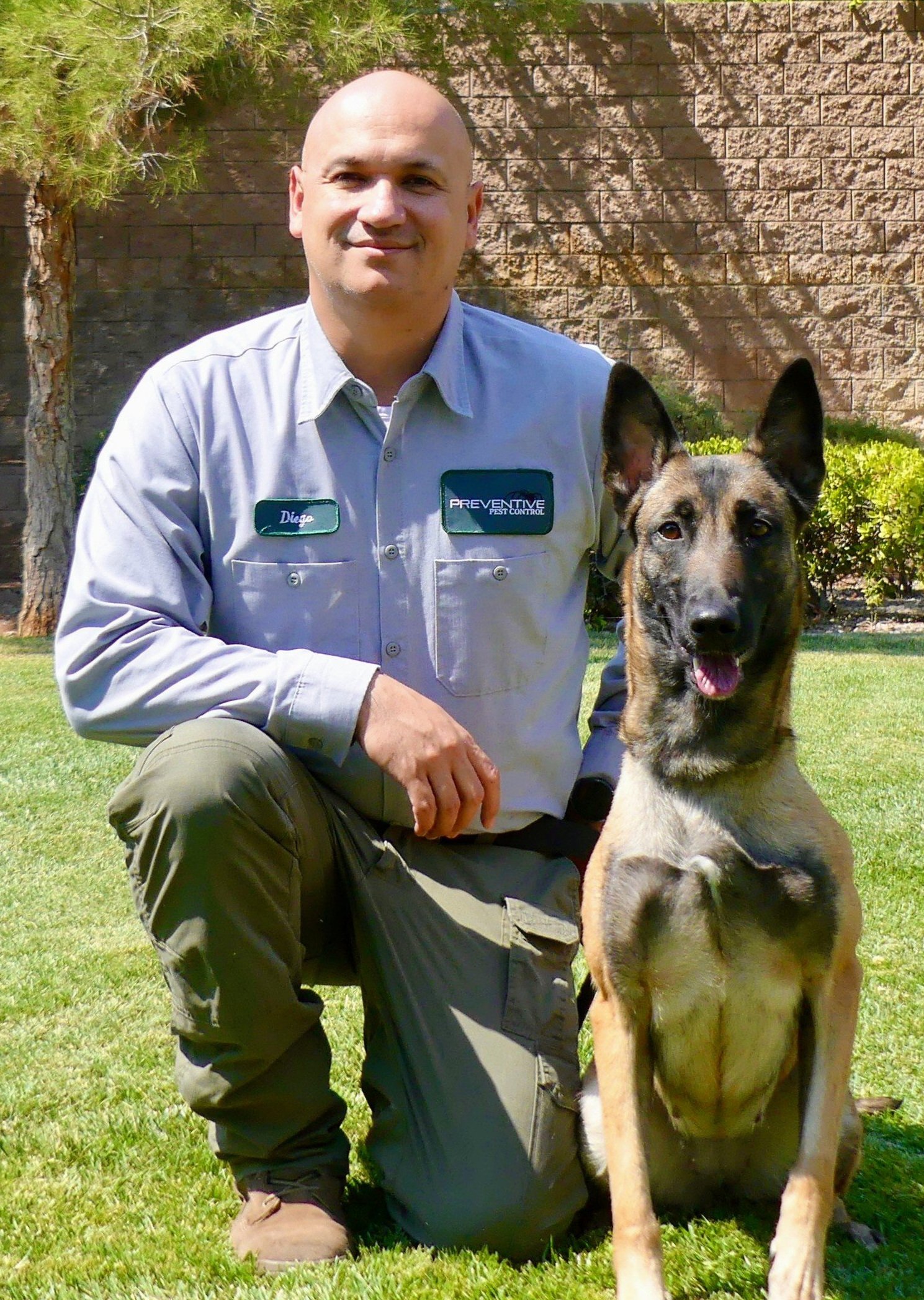
Bed bugs are difficult to detect because they spend much of their time hidden in seams, furniture joints, baseboards, wall gaps, luggage, and other tight spaces near where people rest. A room can look clean and still contain an infestation that is difficult to confirm with a quick visual check. That is where a professional bed bug inspection becomes especially valuable.
Our team uses K9 detection as another layer of inspection when hidden activity needs to be located efficiently. Trained dogs use their sense of smell to identify areas where bed bugs may be present, helping technicians narrow the search before treatment is planned. In homes, apartments, hotels, rentals, and commercial spaces, that added detection capability can reduce guesswork and help focus attention on the areas most likely to contain activity.
K9 Detection Helps Narrow The Search Beyond What Eyes Can Quickly See
Visual inspection remains important, but bed bugs are exceptionally good at staying out of sight. Eggs, nymphs, and adults can settle in mattress seams, furniture joints, baseboards, cracks, wall areas, and belongings. When activity is light or spread across several locations, finding every clue can take time.
Our guide to professional pest expertise explains why accurate identification and targeted inspection help reduce wasted effort and repeated treatment.
K9 bed bug inspections can help technicians:
- Search rooms more efficiently when visual evidence is limited
- Narrow attention to areas where scent activity is detected
- Check furniture, bedding, baseboards, luggage areas, and tight gaps
- Identify hidden activity before it spreads into additional rooms
- Support treatment planning with another source of inspection evidence
- Reduce unnecessary focus on spaces showing no meaningful signs
This does not replace technician judgment. It gives our team another tool for deciding where a closer visual inspection and treatment plan may be needed.
Hidden Infestations Often Leave Clues That Are Easy To Misread
Bed bugs do not always announce themselves with a visible insect. Bites, dark spotting, shed skins, eggs, small blood stains, or a stale odor may appear before homeowners actually see a bug. Those signs can also be confused with other pest concerns, which is why confirmation matters.
Our technicians look at the full pattern rather than relying on a single symptom. Recent travel, overnight guests, used furniture, shared laundry spaces, and multi-unit living can all increase the chance that bed bugs are introduced without immediate detection.
Signs that may justify a closer inspection include:
- Recurring bites after sleeping or resting
- Dark spots or rusty stains on bedding or furniture
- Shed skins or tiny eggs around seams and joints
- A live insect found near a bed, couch, or resting area
- Activity returning after cleaning or laundering
- Similar signs beginning to appear in more than one room
Because bites alone cannot confirm bed bugs, professional inspection helps separate a real infestation from other possible causes.
Professional Inspection Helps Turn Detection Into A Focused Treatment Plan
Our article on bed bug warning signs explains why repeated, unexplained, or spreading signs deserve professional attention. A one-time visual check may miss bed bugs tucked into wall gaps, furniture seams, drawer joints, baseboards, or other protected spaces.
A K9-supported bed bug inspection may help our team:
- Identify areas that deserve a closer technician inspection
- Compare scent alerts with visible evidence and room history
- Determine whether activity appears localized or more widespread
- Prioritize treatment zones based on confirmed findings
- Limit unnecessary treatment in rooms without supporting evidence
- Plan follow-up after treatment when hidden activity was previously detected
Once the inspection is complete, treatment can be matched to the situation. Preventive Pest Control’s current bed bug service may include localized heat treatment, CO2 freezing, residual treatment, preparation guidance, and follow-up direction. The right combination depends on the room, the level of activity, and where the infestation is found.
K9 detection can also be useful in properties where speed matters. Hotels, rentals, apartments, and commercial spaces may need to understand the extent of a concern without losing unnecessary time to broad searches. By helping narrow suspicious areas, trained detection dogs can support a more focused inspection process.
Professional oversight remains important because a scent alert is only part of the decision. Technicians still evaluate physical evidence, likely hiding places, occupant history, and whether the signs fit active bed bug behavior. That combination helps avoid treating based on guesswork alone.
Follow-up also matters. Bed bugs can remain hidden in protected areas, and eggs or small populations may be difficult to detect during one visit. Reinspection gives our team a way to compare earlier findings with current conditions and decide whether additional treatment is necessary.
The strongest bed bug plan combines careful inspection, accurate identification, targeted treatment, preparation, and follow-up. K9 detection strengthens that process by helping technicians locate hidden activity more efficiently, especially when a visual check alone does not reveal the full picture.
Find Hidden Bed Bugs Before They Spread Further
If bites, spotting, shed skins, or unexplained activity are making you suspect bed bugs, contact Preventive Pest Control for a professional bed bug inspection, K9 detection, targeted treatment, and follow-up support.