
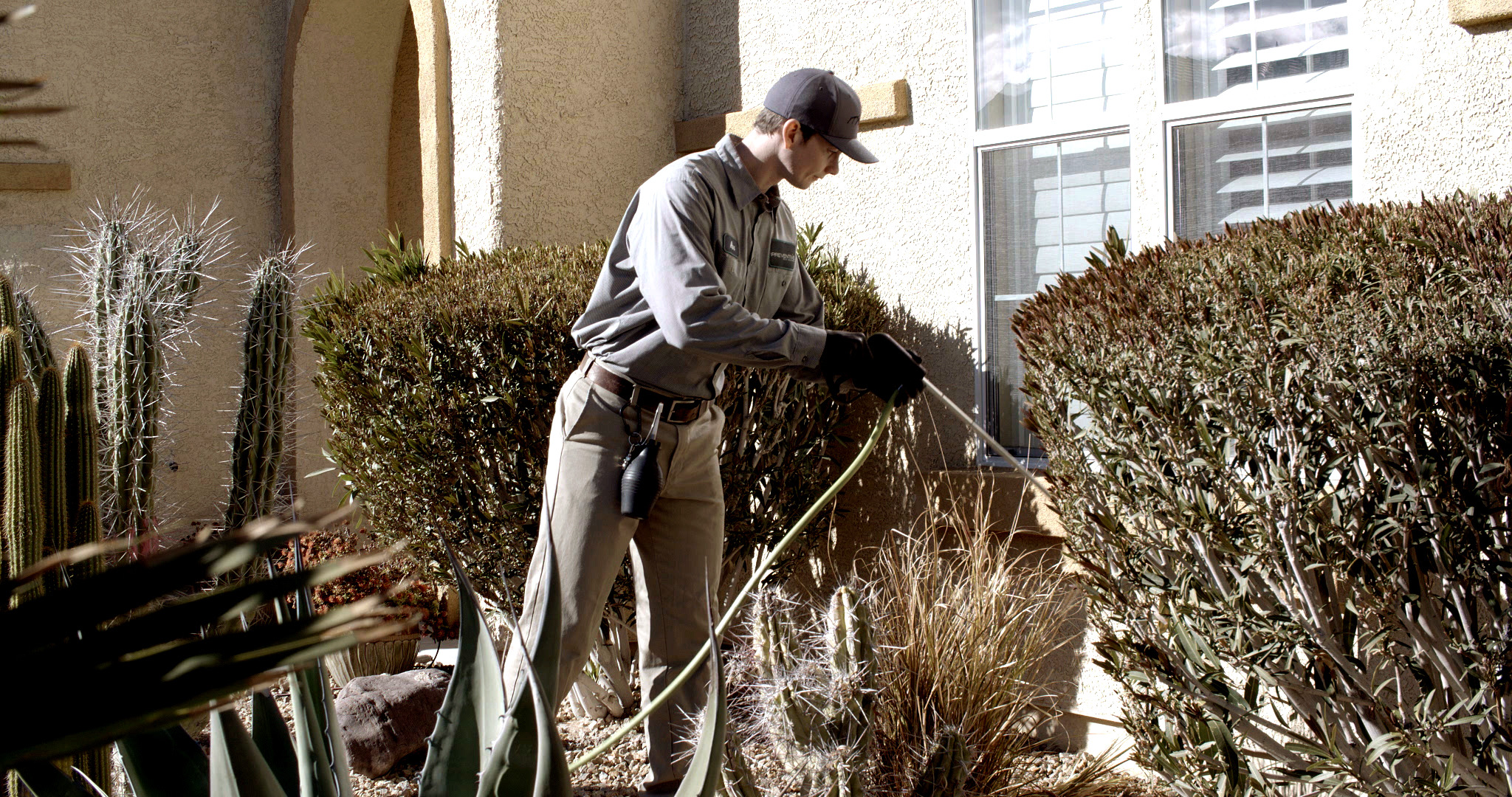
Pest problems often appear simple at first. A few ants near the sink, one cockroach in a cabinet, a scorpion in the garage, or scratching above the ceiling may seem like an isolated issue. In Las Vegas, however, heat, irrigation, block walls, storage areas, utility openings, and year-round desert pressure can allow activity to continue out of sight.
Professional pest control saves time by identifying the pest, locating active routes, and selecting treatment based on evidence. It can also reduce long-term expense by limiting repeat product purchases, hidden property damage, contaminated inventory, and disruptions caused by an infestation that was never fully addressed.
Accurate Identification Prevents Costly Guesswork
Different pests require different strategies. Ants may be connected to an outdoor colony, cockroaches may reproduce near moisture, and rodents may be using roofline or utility gaps. Scorpions and spiders can remain near areas where prey insects are active, while termites may cause damage inside structural materials before obvious signs develop.
A professional inspection may evaluate:
- Droppings, trails, webs, nesting material, and damaged surfaces
- Kitchens, bathrooms, garages, attics, storage rooms, and patios
- Irrigation, drains, trash areas, shade, and exterior lighting
- Door seals, vents, rooflines, cracks, and utility penetrations
- Previous treatments and locations where activity keeps returning
Correct identification prevents time from being spent on the wrong product or location. It also helps determine whether a sighting is isolated or part of a larger pattern.
Business Protection Reduces Expensive Disruption
Pest problems can cost businesses through complaints, lost time, product damage, emergency cleaning, or interrupted operations. The value of commercial pest planning becomes clear in restaurants, offices, warehouses, clinics, retail spaces, and multi-family properties where deliveries, shared walls, storage, and customer traffic create several pressure points.
Professional service can be scheduled around operating hours and focused on active zones. Technicians may inspect loading areas, break rooms, restrooms, utility spaces, dumpsters, exterior doors, and inventory storage before building a customized plan.
Early detection is usually less disruptive than responding after rodents, cockroaches, ants, bed bugs, pigeons, termites, or other handled pests reach public-facing areas. Documentation and monitoring also help managers track recurring conditions instead of restarting the investigation with every sighting.
Targeted Treatment Uses Resources More Efficiently
Repeatedly treating visible pests can consume products and time without reaching the source. Professional pest control follows the evidence so applications, traps, baits, exclusion work, or monitoring devices are placed where they are most likely to matter.
A property-specific plan may include:
- Targeting confirmed ant, cockroach, spider, or scorpion routes
- Trapping, baiting, and excluding rodents based on movement signs
- Inspecting termites before selecting an elimination strategy
- Using K9 detection where bed bug activity is difficult to locate
- Applying pigeon deterrence or mosquito control to relevant exterior zones
This precision limits unnecessary treatment in unaffected spaces. It also gives occupants clear preparation, drying, reentry, and follow-up instructions, which helps avoid mistakes that can interfere with results.
Desert Conditions Make One-Time Responses Less Reliable
Las Vegas pests adapt quickly to heat, water availability, shade, and structural shelter. The discussion of desert pest pressure explains why activity can shift even when a property is clean. Irrigation can support ants and cockroaches, block walls can shelter scorpions, and cooling weather may move rodents toward garages or attics.
A one-time treatment may reduce what is visible that day, but it cannot account for new weather, landscaping changes, damaged seals, deliveries, or neighboring activity. Professional monitoring allows the plan to change when pests move to another area or when exterior protection needs reinforcement.
This adaptability saves time because technicians already have service records, earlier findings, and known hotspots. They can compare new evidence with previous visits rather than beginning from zero. That continuity supports faster decisions when fresh activity appears later.
Prevention Helps Avoid Larger Repair Costs
Some pest-related expenses develop quietly. Rodents may chew wiring or contaminate storage. Termites can affect structural wood. Cockroaches may spread through cabinets and appliances. Pigeons can leave buildup on ledges or roof areas, while bed bugs may move between rooms through belongings and furniture.
Long-term prevention may involve:
- Monitoring earlier hotspots and adjusting treatment when activity changes
- Sealing confirmed rodent, insect, or scorpion entry routes
- Correcting moisture, sanitation, storage, and landscaping conditions
- Rechecking termite, mosquito, pigeon, or bed bug concerns as needed
- Providing re-service when covered pests return between scheduled visits
Preventive work does not mean treating every area without purpose. It means watching the property over time, responding early, and keeping the service tied to current evidence.
The financial value of professional pest control comes from efficiency. Accurate identification reduces guesswork, targeted treatment limits waste, and follow-up prevents small warning signs from becoming larger problems. Homeowners and businesses also regain time that might otherwise be spent repeatedly purchasing products, moving belongings, cleaning affected areas, or reacting to recurring sightings.
Spend Less Time Chasing The Same Pest Problem
Contact Preventive Pest Control for professional inspection, customized pest control, targeted treatment, prevention planning, and dependable follow-up.