
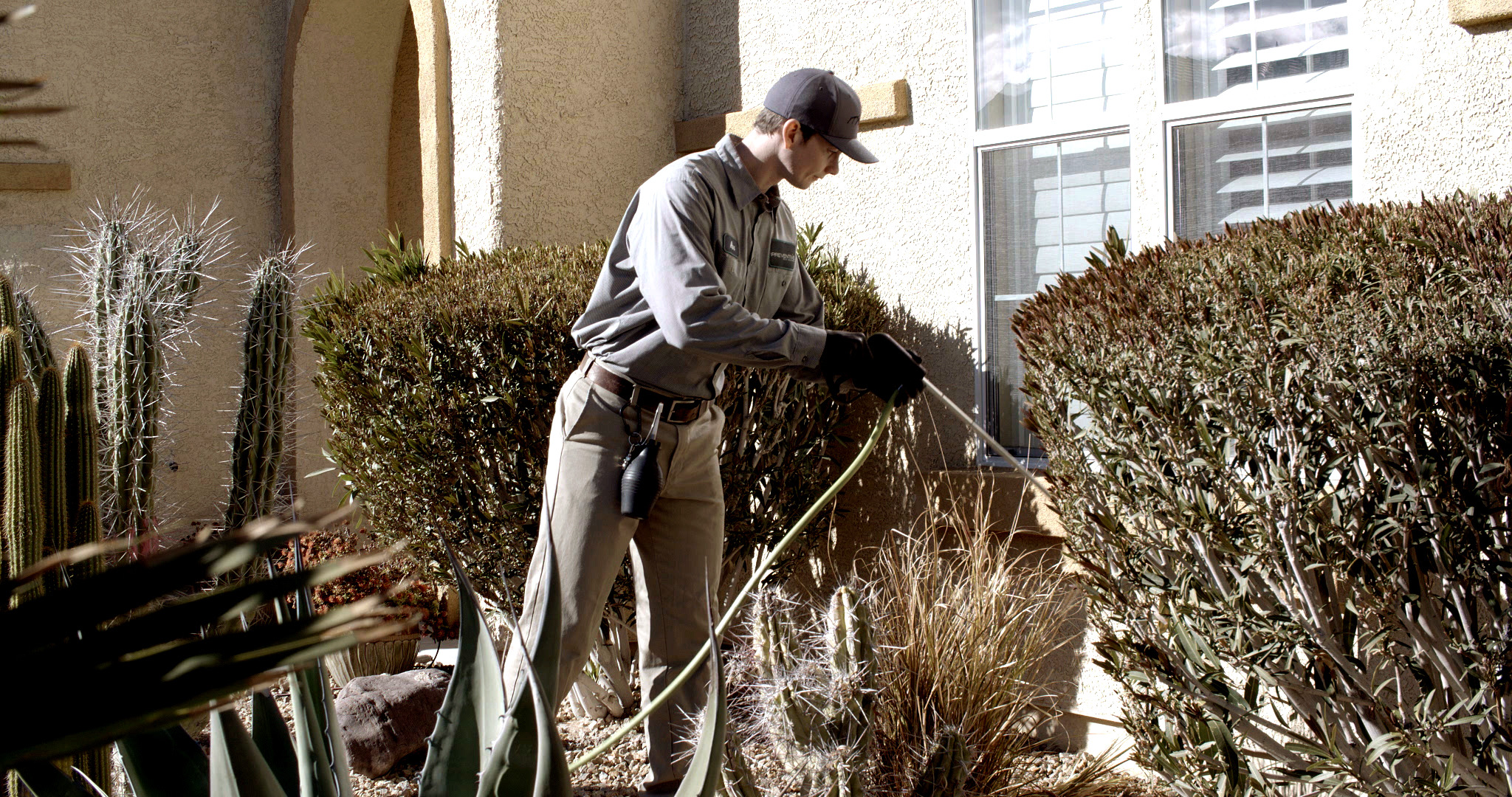
Desert pests are not limited to one short season. In Las Vegas, heat, dry soil, irrigation, shaded structures, and sudden weather shifts can keep pest pressure active for much of the year. Cockroaches may search for moisture indoors, scorpions may shelter near block walls and garages, ants may trail toward food or water, and rodents may use storage areas, utility gaps, and rooflines for protection.
Year-round pest control is challenging because desert pests adapt to small changes quickly. A clean home can still have pressure when landscaping, drains, trash areas, standing water, or structural openings provide what pests need. Professional service looks at those conditions together instead of treating each sighting as a separate one-time issue.
Heat Pushes Pests Toward Shelter
Extreme heat changes pest movement. Outdoor areas may become too dry or exposed, so pests look for cooler, shaded, and moisture-rich places. Kitchens, bathrooms, garages, laundry rooms, utility spaces, and shaded patios can become attractive when temperatures rise.
Common heat-related shifts include:
- Cockroaches are moving toward drains, appliances, sinks, and damp storage areas
- Ants trailing indoors for water, crumbs, pet food, or pantry access
- Rodents exploring garages, attics, and wall gaps for cooler shelter
- Scorpions hiding near block walls, patios, landscaping, and garage corners
- Spiders follow insects into shaded exterior and interior spaces
The link between heat and pest movement is especially clear with roaches. This guide on Vegas cockroaches explains why high temperatures can drive activity indoors. For homeowners, the important lesson is that summer sightings may reflect exterior pressure, not just an indoor sanitation concern.
Irrigation And Shade Create Micro-Habitats
The desert may be dry, but residential properties often create small comfort zones for pests. Irrigation systems, planters, turf, fountains, pool equipment, drains, and shaded rock beds can hold enough moisture to support activity. These areas may also attract insects that become food for spiders and scorpions.
Micro-habitats can develop around:
- Leaking irrigation lines, hose bibs, drains, and condensation points
- Dense shrubs, ground cover, leaf debris, and shaded landscape rock
- Pet bowls, birdbaths, planters, and containers that collect water
- Exterior lighting that draws insects near doors, patios, and walls
- Trash bins, outdoor kitchens, and storage areas with food residue
Mosquitoes may become more active near standing water. Ants and cockroaches may use damp edges. Scorpions and spiders may stay nearby because insects are available. Rodents may investigate places with water, shelter, or food waste.
This is why desert pest control is not only about treating the inside of a home. Exterior conditions can keep sending pressure toward the structure. A professional inspection connects irrigation, shade, food sources, and pest movement so treatment can focus on the areas that matter most.
Entry Points Are Easy To Miss
Desert homes can have many small openings that pests use throughout the year. Stucco gaps, weep points, garage-door edges, utility lines, vents, roof returns, and foundation cracks can all become access routes. Once pests find a protected path, they may keep using it until the opening is sealed or the surrounding conditions change.
Important access areas include:
- Door sweeps, garage seals, window screens, and weather stripping
- Plumbing, cable, electrical, and HVAC penetrations through walls
- Foundation cracks, expansion joints, and gaps near patios or walkways
- Roofline openings, attic vents, and damaged screens
- Storage rooms, sheds, and utility areas with clutter or poor sealing
Entry-point work requires careful inspection because not every gap is active. Professionals look for pest signs, traffic patterns, droppings, rub marks, webbing, trails, and nearby attractants. That helps avoid random sealing or broad treatment that does not address the real route. It also supports long-term prevention when pests such as rodents, ants, spiders, scorpions, roaches, termites, bed bugs, mosquitoes, pigeons, and weeds require different strategies.
Year-Round Pressure Needs Consistent Monitoring
Desert pest activity changes with heat, cooling weather, rainfall, irrigation schedules, construction, landscaping, and neighborhood conditions. A one-time response may reduce visible pests, but it may not keep up with new movement or hidden activity. Termites can stay concealed. Rodents can test new gaps. Roaches can remain near moisture. Pigeons may return to protected ledges. Bed bugs may spread through travel or shared spaces.
Las Vegas homes often face multiple summer pressures at once, and this overview of summer pest problems shows why several pests may become active during the same season. The same principle applies beyond summer. When property conditions change, pest behavior changes too.
Professional monitoring helps identify early signs, adjust treatment areas, and recommend prevention before activity spreads. It gives homeowners a clearer plan for recurring pests instead of reacting only after pests are seen indoors.
Stay Ahead Of Desert Pest Pressure
Desert pest problems are easier to manage when heat, moisture, shelter, and access points are evaluated together. For professional help with pest control for roaches, ants, rodents, spiders, scorpions, termites, mosquitoes, pigeons, bed bugs, weeds, and related concerns, contact Preventive Pest Control.