
The suitcase is unpacked, the laundry is finished, and the holiday trip already feels like a memory. Then you notice several dark specks near a mattress seam. Could something have come home with you? Bed bugs can travel unnoticed in luggage, backpacks, and personal belongings, making the days after a hotel stay or family visit an important time to pay attention.
Not every unfamiliar mark means bed bugs are present. Keeping travel bags separate from bedroom furniture until they are checked can also simplify later inspection. Our technicians start by reviewing physical evidence and recent travel history before recommending treatment. For Las Vegas households, the goal is to identify an actual problem early without mistaking ordinary skin irritation or fabric stains for an infestation.

Look for Physical Evidence Around Sleeping Areas
Bed bugs feed on blood and spend much of their time hidden near places people rest. They can fit into narrow seams, joints, and cracks, emerging to feed when conditions are suitable. Because the insects are often difficult to spot, small traces can be more revealing than a live sighting.
Check for several possible clues:
- Dark spotting: Small black or brown marks along mattress piping, bed frames, or headboards may be fecal evidence.
- Shed skins: Pale, empty coverings can remain in protected crevices as young bed bugs develop.
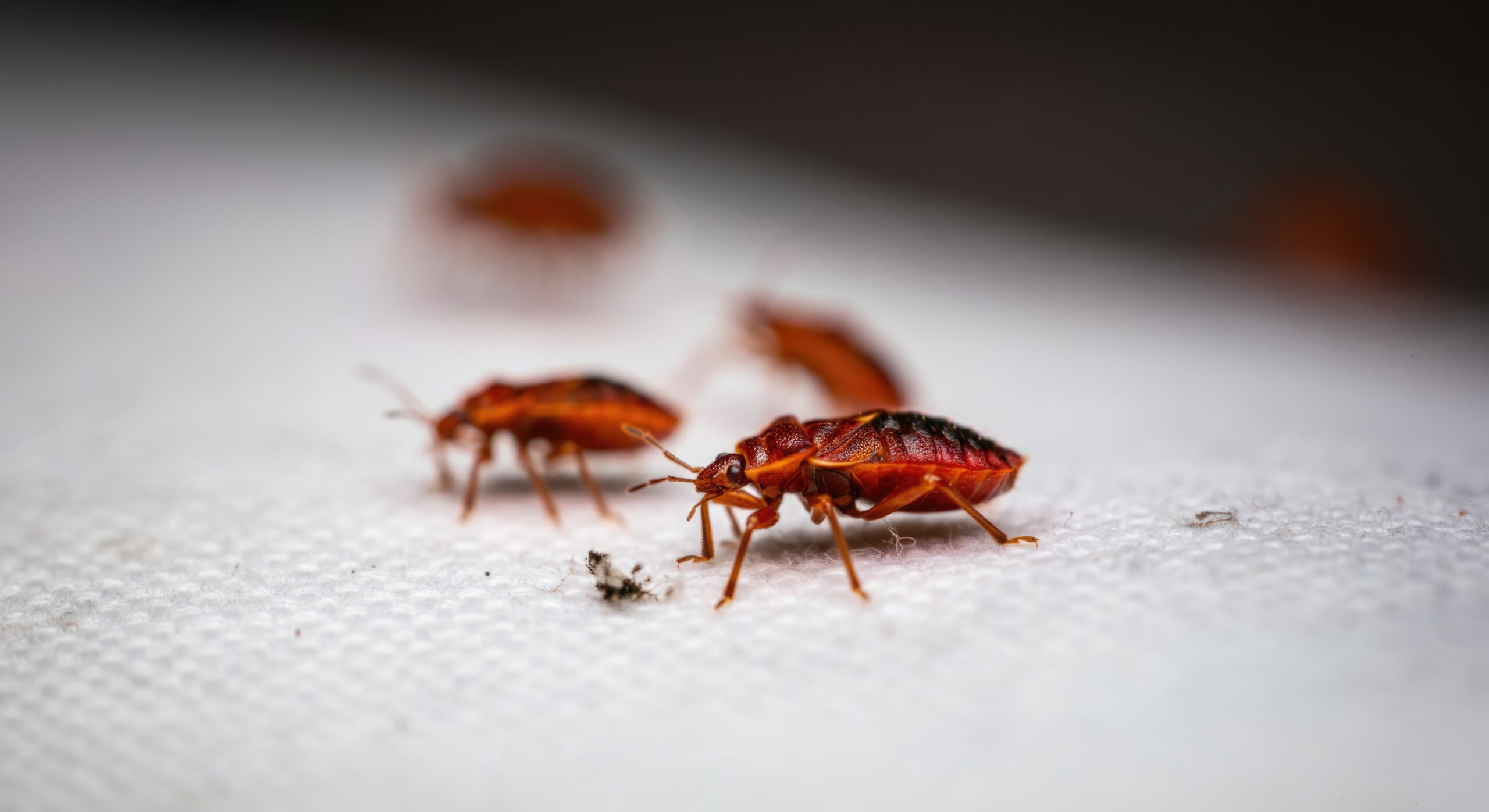
- Live insects: Flat, oval, reddish-brown bugs near furniture joints deserve careful identification.
- Tiny eggs: Whitish eggs may be attached inside seams and narrow gaps, making them difficult to see.
- Rust-colored marks: Spots on sheets can sometimes come from crushed insects, although stains have other causes.
Itchy welts alone are not a reliable diagnosis. Some people do not react to bites, while others develop marks from unrelated causes. We compare multiple signs and inspect areas where bed bugs are likely to hide instead of treating every skin reaction as confirmation.
Our guide to travel-related warning signs explains how seemingly minor clues can become more meaningful when they appear together after a trip. Keep photographs and note where evidence was found so an inspector can review the pattern.
Check Luggage and Nearby Furniture Before Activity Spreads
Bed bugs cannot fly or jump, but they are capable hitchhikers. A suitcase set on an infested bed or a bag stored against upholstered furniture can pick up concealed insects. After returning home, an insect may move from luggage into the nearest suitable hiding place rather than remaining in the bag.
Locations worth examining include:
- Suitcase seams: Zippers, pockets, linings, and handles provide narrow spaces for concealed insects.
- Unpacked clothing: Items left beside beds or upholstered chairs may need closer examination.
- Bedside furniture: Drawer joints, headboards, and nightstand connections can become additional harborages.
- Soft furnishings: Sofa seams and fabric folds near luggage storage may conceal activity.
- Baseboard gaps: Cracks near sleeping areas can shelter insects away from casual inspection.
Avoid carrying a suspected infested suitcase through several rooms while searching for evidence. Keep potentially affected items contained and ask about appropriate handling before moving furniture or discarding belongings. Depending on the material, laundering and dryer heat may help, but not every item can be processed the same way.
Our article on early bed bug signs describes the clues found around bedding and furniture. A recent trip helps explain a possible introduction, but bed bugs can also arrive with secondhand items or visitors, so the source may remain uncertain.
Let a Professional Inspection Confirm the Next Step
Finding one suspicious insect can be upsetting, yet applying random sprays may miss concealed stages and complicate proper treatment. Our bed bug service begins by reviewing likely harborages and confirming the evidence. Where needed, trained K9 detection can help narrow possible activity in places that are difficult to inspect visually.
An assessment may include:
- Visual examination: We check accessible seams, furniture joints, headboards, and neighboring resting areas.
- Evidence review: Insects, eggs, spotting, and shed skins help distinguish bed bugs from lookalikes.
- K9 detection: A trained dog may help locate possible hidden activity for further evaluation.
- Treatment selection: Confirmed infestations may call for localized heat, CO2 freezing, residual applications, or another suitable approach.
- Follow-up guidance: Later observations help determine whether activity continues after treatment.
The correct plan depends on the extent of activity, building layout, and household needs. We explain preparation, treatment precautions, and when another inspection may be appropriate. An alert or a bite report alone does not replace confirming the evidence before selecting treatment.
Holiday travel does not make every suitcase dangerous. Thoughtful checks, accurate identification, and a prompt response to credible signs can keep an uncertain discovery from becoming a larger disruption. If nothing is found, continued observation may be more appropriate than unnecessary pesticide use.
Make Sure Your Holiday Souvenirs Stay Pest-Free
If suspicious signs appear after a trip, contact Preventive Pest Control for a professional bed bug assessment. Our team can examine the evidence, explain available detection options, and recommend treatment or monitoring based on the findings.