
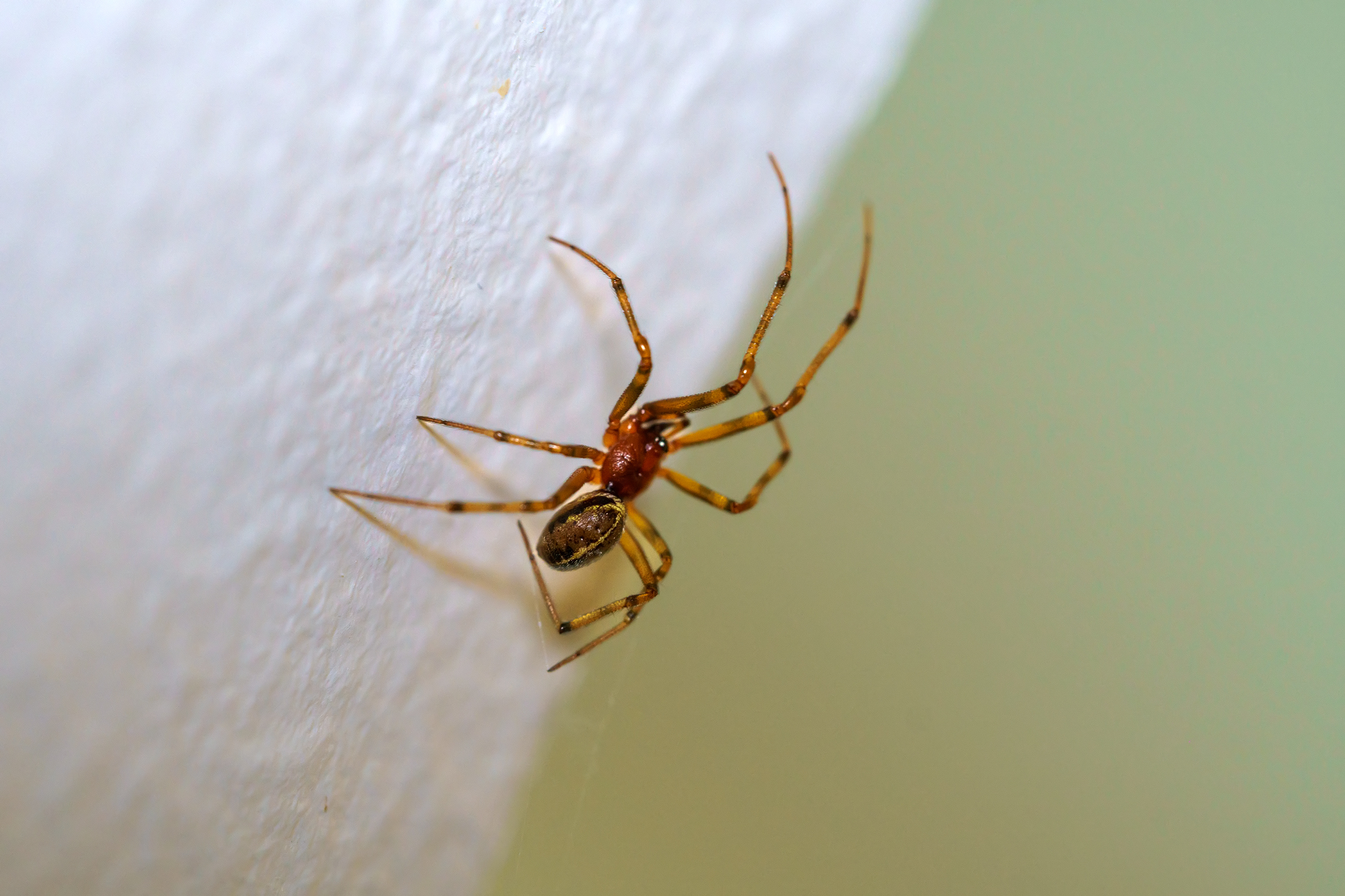
Garages and storage areas give spiders many of the conditions they prefer: quiet corners, steady shelter, low foot traffic, and a reliable supply of insects. In Las Vegas homes, these spaces can remain warm and protected even when outdoor conditions change sharply. Cardboard boxes, shelving, ceiling edges, garage-door gaps, stored tools, and rarely moved household items can all create hidden areas where spiders settle without being disturbed.
Our team approaches spider control by looking beyond the visible web. A web in one corner may be connected to insect activity near an exterior light, gaps around the garage door, or clutter that provides protected hiding space. Professional inspection helps us identify why spiders are returning and which conditions need attention before treatment is applied.
Quiet Storage Areas Give Spiders Long-Term Shelter
Garages and storage rooms are often less active than kitchens, living rooms, or hallways. That lower disturbance makes them especially attractive to spiders that prefer to remain hidden during the day. Shelving, boxes, cabinets, tools, and stored decorations create narrow spaces where spiders can rest, build webs, or protect egg sacs.
Our guide to monthly pest monitoring explains why recurring inspection matters when pest pressure changes with heat, irrigation, shelter, and structural access.
Common hiding areas include:
- Cardboard boxes stacked along walls or on garage floors
- Shelving that holds rarely moved household items
- Ceiling corners where webs remain undisturbed
- Spaces behind cabinets, tools, and storage bins
- Garage-door edges with worn weatherstripping or small gaps
- Dark corners that stay quiet for long periods
These spaces can support spider activity for weeks before anyone notices a pattern.
Insect Prey Often Determines Where Spiders Settle
Spiders usually remain where food is easy to find. Garages can attract insects through exterior lights, door gaps, irrigation nearby, and warm sheltered spaces. Ants, cockroaches, mosquitoes, and other small pests can become prey, giving spiders a reason to stay even when the garage itself looks clean.
Our technicians therefore look at the surrounding insect activity as part of spider control. Removing one web may improve appearance, but recurring webs often mean prey is still available nearby.
Conditions that can increase prey activity include:
- Exterior lights that attract flying insects after dark
- Garage doors that leave small openings around the edges
- Irrigation or moisture near exterior walls and entry points
- Trash, pet food, or stored materials that attract other pests
- Patios or landscape areas that connect directly to the garage
- Cracks or utility penetrations that allow insects to move indoors
Reducing the factors that attract prey can make the area less useful to spiders over time.
Entry Points And Hidden Corners Help Activity Rebuild
The pattern of common spider hiding spots shows why garages, storage rooms, patios, ceiling corners, and entry points deserve attention together. Spiders can move between exterior shelter and indoor hiding zones through small structural openings, especially when those areas provide steady insect activity.
A professional inspection may focus on:
- Gaps around garage doors, vents, and utility openings
- Cracks where walls, slabs, and framing meet
- Webbing patterns that show repeated use of the same corners
- Egg sacs or active spiders hidden behind stored items
- Nearby exterior lights and insect gathering areas
- Patio, eave, or wall activity close to garage access
This wider inspection helps determine whether the problem is isolated or part of a larger movement pattern around the property.
Las Vegas weather can also shift spider pressure quickly. Extreme heat may push insects toward shade and moisture, while cooler periods can make garages and storage areas more stable. When prey moves, spiders may follow. That is why a space can seem quiet for a while and then suddenly develop new webbing.
Clutter can make that activity harder to evaluate. Storage does not cause spiders by itself, but tightly packed boxes, rarely moved items, and blocked wall edges create low-disturbance shelter and make inspection more difficult. Clear access around walls and corners gives our technicians a better view of fresh webs, egg sacs, and entry points.
Professional spider control works best when treatment is based on species, activity, and location. Some spiders build webs and remain close to them, while others actively hunt. Knowing which pattern is present helps guide where inspection and treatment should be concentrated.
Follow-up is also important when webs return to the same areas. Repeated activity can indicate that the original shelter, prey source, or structural access is still present. Monthly or recurring pest service can help technicians compare new findings with earlier visits and adjust treatment when conditions change.
The goal is not simply to keep every corner perfectly clean. It is to understand why spiders are choosing the space and what continues to support them. When shelter, prey, access, and recurring activity are evaluated together, spider control becomes more targeted and efficient.
Clear Out The Conditions That Keep Spiders Coming Back
If webs or spider sightings keep returning in your garage or storage areas, contact Preventive Pest Control for professional spider control focused on inspection, targeted treatment, monitoring, and long-term prevention.