
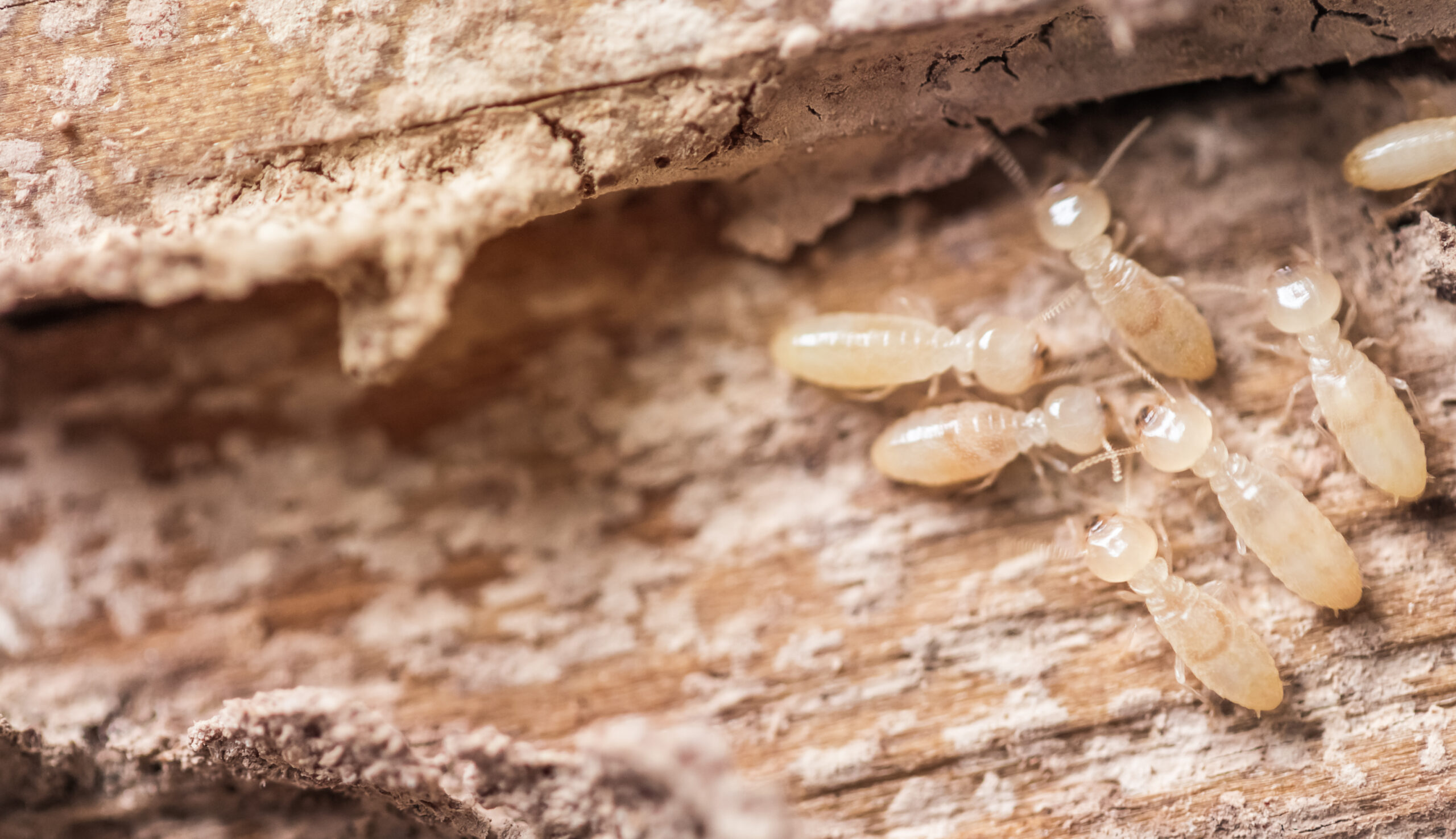
Southern Nevada may look dry, but termite risk should not be dismissed. Termites can remain active in hidden areas where wood, moisture, soil contact, and structural gaps create favorable conditions. A home can appear well-maintained while activity develops behind walls, near slab edges, around garages, in patio structures, or along exterior wood features. By the time damage becomes visible, repair costs and treatment needs may already be more serious.
Termite inspections help homeowners understand what is happening before obvious signs appear. They also fit into a broader pest control strategy for ants, mosquitoes, cockroaches, bed bugs, spiders, scorpions, rodents, pigeons, weeds, and commercial pest concerns. In the Las Vegas Valley, heat, irrigation, seasonal pest movement, and construction details can all influence where termites and other pests find opportunity.

Termites Often Stay Hidden
Termites are difficult to detect because much of their activity happens out of sight. They may travel through soil, wall gaps, utility openings, and protected wood areas. Homeowners may not see live insects, but the structure can still show subtle clues that require trained inspection.
- Mud tubes can appear along foundations, walls, or garage edges.
- Discarded wings may collect near windows, doors, or light sources.
- Soft wood, bubbling paint, or hollow sounds can suggest hidden damage.
- Patio posts, trim, and exterior wood may show changes before interior rooms do.
A termite inspection helps identify whether signs are active, old, or connected to conditions that need correction. That distinction matters because guessing can delay the right response.
Peak Pest Season Reveals Property Weaknesses
Warm weather can increase pest activity around Southern Nevada homes. Ants may trail near kitchens, mosquitoes may gather around water, cockroaches may seek cooler areas, spiders and scorpions may follow prey, and rodents may use shaded routes. Termites are different because they may stay hidden even when other pests are obvious.
Preparing for peak pest season is useful because it encourages homeowners to think about clutter, moisture, access points, and recurring sightings before issues grow. Those same conditions can influence termite risk. Wood stored near the home, irrigation overspray, cracks, and shaded exterior areas may create conditions worth reviewing.
Professional inspection connects seasonal pest pressure with structural risk. Instead of focusing only on visible pests, it evaluates how the home is being affected by the surrounding environment.
Moisture And Irrigation Can Increase Risk
Desert homes still have moisture sources. Irrigation systems, leaky hose bibs, planter beds, drainage problems, condensation, and plumbing leaks can create localized dampness. Termites do not need an entire property to be wet. They may need only one vulnerable area where moisture and wood conditions overlap.
- Overwatered landscaping can keep soil damp along foundation edges.
- Irrigation overspray may affect fascia, posts, fences, or patio structures.
- Plumbing leaks can support hidden activity near bathrooms or utility areas.
- Poor drainage can move moisture toward slab edges and exterior wood.
Moisture also supports other pests, including mosquitoes, cockroaches, ants, spiders, and rodents. When several pest concerns appear around the same areas, the property may need a closer inspection-based plan.
Spring Activity Can Point To Larger Patterns
Spring and early summer often bring more pest movement in Las Vegas. Warmer temperatures can increase activity for ants, roaches, mosquitoes, spiders, scorpions, rodents, and other pests. Termites may also become more noticeable during swarming periods, but the absence of swarms does not guarantee the home is clear.
Information about springtime pests helps explain why homeowners should pay attention before activity becomes heavier. A few wings, soft wood, or unexplained surface changes should not be ignored. Even when termites are not visible, seasonal conditions can reveal weaknesses that deserve professional evaluation.
Termite inspections are especially valuable because they create a documented look at the structure. That record helps homeowners understand whether the concern is immediate, developing, or prevention-focused.
Inspections Support Long-Term Protection
A termite inspection is not only for homes with visible damage. It is a practical way to protect the long-term property condition. Southern Nevada homes can face pressure from heat, irrigation, soil conditions, exterior wood, landscaping, and previous pest history. Regular inspections help catch small signs before they become costly.
- Schedule inspection when moisture, wings, mud tubes, or soft wood appear.
- Review garages, patios, exterior trim, fences, foundation edges, and utility areas.
- Ask for clear findings that explain the risk level and recommended next steps.
- Use professional follow-up when repairs, landscaping, or irrigation changes occur.
The value of termite inspections is that they reduce uncertainty. They help identify hidden activity, risk factors, and treatment needs before homeowners are forced to respond to visible damage. A professional plan can also consider related pest pressure from ants, mosquitoes, cockroaches, bed bugs, spiders, scorpions, rodents, pigeons, weeds, and commercial property concerns. When termite risk is reviewed as part of whole-property protection, homeowners gain a clearer path to preserving structure, comfort, and property value.
Protect The Structure Before Damage Shows
For termite inspections that consider hidden activity, moisture sources, seasonal pest pressure, and long-term property protection, contact Preventive Pest Control for professional support shaped around Southern Nevada homes.