
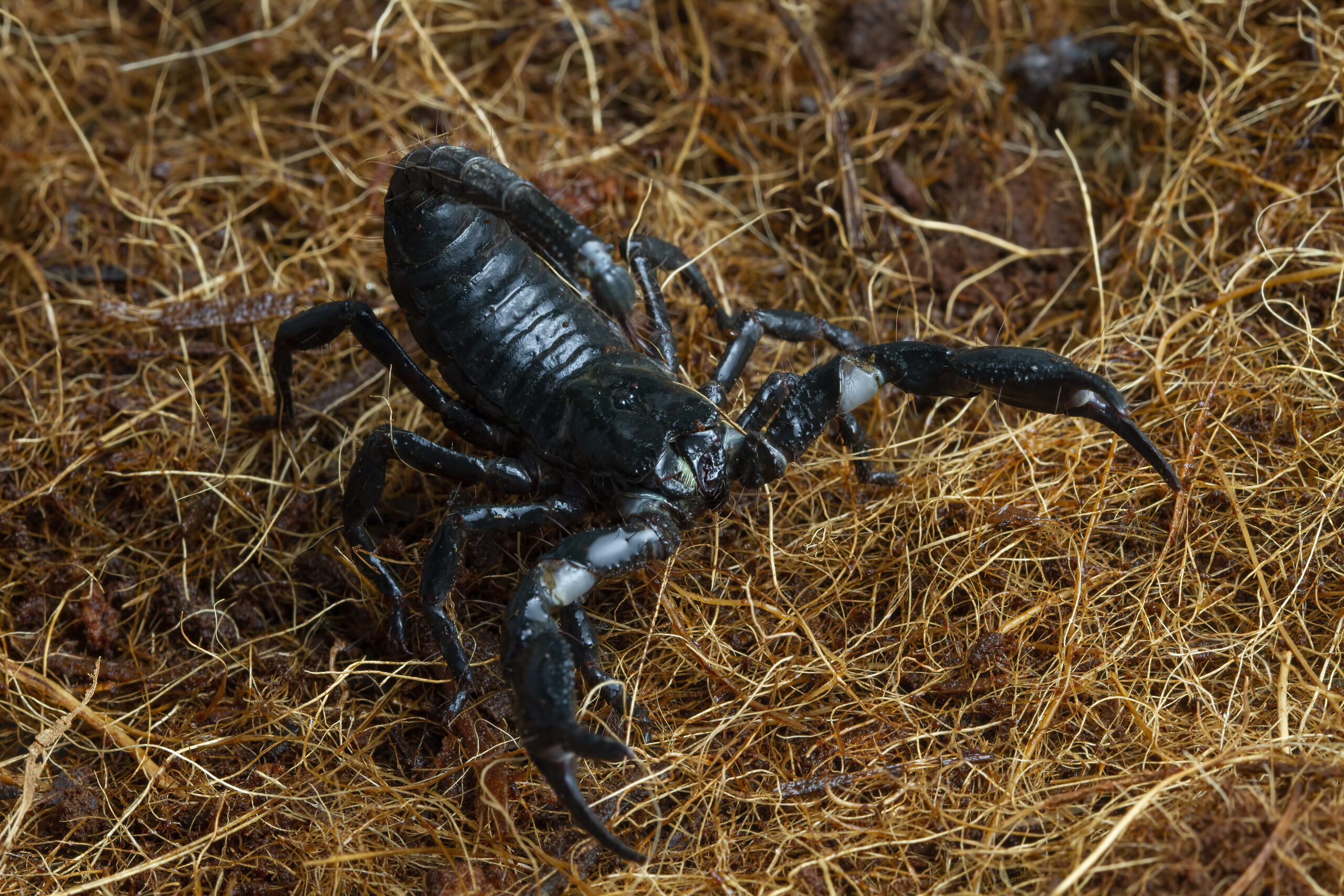
Scorpions are strongly associated with Las Vegas summers, but cooler weather does not automatically mean the risk disappears. Southern Nevada can stay warm well into fall, and scorpions may continue using garages, block walls, landscape rock, patios, and structural gaps long after the hottest days have passed. Their activity often becomes less obvious rather than ending completely.
Effective scorpion control after summer focuses on the conditions that keep these pests close to homes. Shelter, insect prey, moisture, and small entry points can continue supporting activity as temperatures shift. A professional approach looks at all of these factors together so the property is less inviting through fall and into the cooler season.
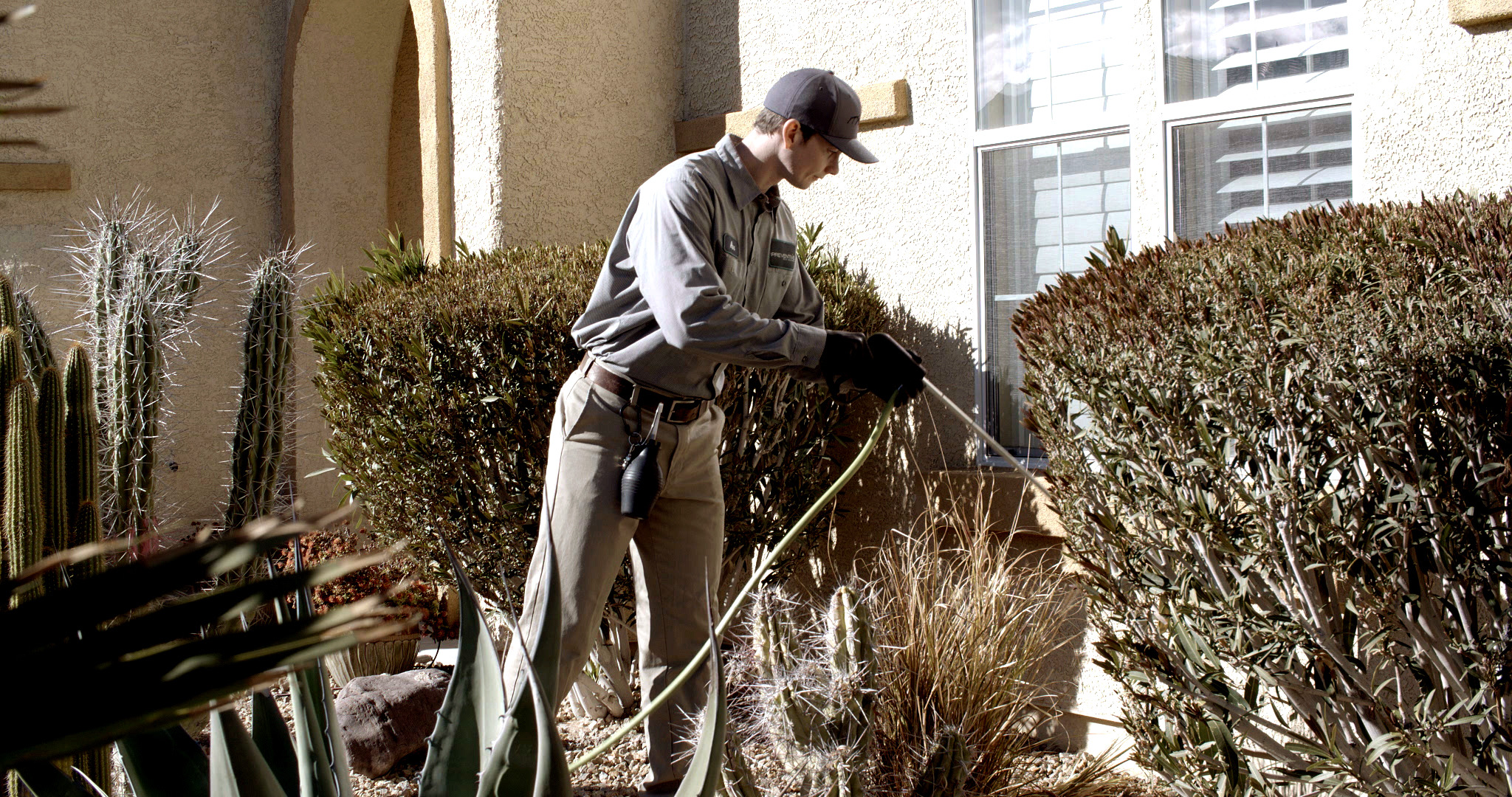
Cooler Weather Changes Where Scorpions Hide
Scorpions are adapted to desert conditions, but temperature changes influence when and where they move. During extreme heat, they often shelter in shaded cracks and cooler protected areas. As evenings become milder, they may continue traveling between feeding areas and hiding places, especially where structures provide stable conditions.
Late-season hiding areas can include:
- Block walls with internal voids that stay dark and protected
- Garages with boxes, tools, and low-traffic storage corners
- Landscape rocks and debris that create cool spaces underneath
- Cracks near foundations, patios, and utility penetrations
- Shaded areas near irrigation, plumbing, or exterior moisture
Understanding how desert heat activity changes scorpion movement helps explain why sightings may continue after summer. The same shelters that protect scorpions during peak heat can remain useful when daytime and nighttime temperatures begin fluctuating.
A single indoor sighting can therefore point to nearby hidden activity. Professional inspection is useful because scorpions spend much of the day concealed and may emerge only when disturbed or when hunting at night.
Reducing Prey Helps Reduce Scorpion Pressure
Scorpions are predators, so homes with steady insect activity can remain attractive even after summer. Cockroaches, crickets, ants, spiders, and other small pests provide a food source that can keep scorpions close to patios, garages, walls, and landscaping.
Conditions that can support prey activity include:
- Exterior lights that attract flying and crawling insects near doors
- Irrigation or leaks that create localized moisture in dry areas
- Dense vegetation or clutter that gives insects protected shelter
- Trash, pet food, or organic debris that supports pest activity
- Cracks and wall gaps where insects can hide close to the structure
This is one reason long-term scorpion control often includes attention to the broader pest environment. Treating only the scorpion that was seen may leave the food source untouched.
Professional service can help identify where prey insects are concentrated and which exterior areas are supporting repeated activity. Reducing those conditions makes the property less attractive to scorpions while also improving overall pest management around the home.
Entry Points Still Matter After Peak Season
Scorpions can flatten their bodies and use very small openings around structures. Rough stucco, brick, and block walls also give them climbing surfaces that can lead toward doors, vents, windows, and roofline areas. Seasonal cooling does not remove these access routes.
Important areas to evaluate include:
- Door sweeps and weatherstripping that no longer seal tightly
- Gaps around pipes, cables, vents, and exterior utility lines
- Cracks along foundations, patios, or wall transitions
- Garage-door edges where light is visible around the perimeter
- Openings near windows, frames, or damaged screens
A broader peak-season preparation approach is still useful after summer because many of the same structural vulnerabilities remain active year-round. The goal is to reduce the number of pathways available before scorpions find and use them.
Professional scorpion control also considers where scorpions are likely to rest once they are inside. Bathrooms, laundry rooms, closets, garages, and other quiet spaces can offer shade and moisture. Finding one in these areas does not always mean the entry point is nearby, which is why tracing movement requires a property-wide view.
Late-season activity can also be influenced by landscaping and neighborhood conditions. Block walls, rock beds, nearby desert lots, and shared exterior spaces can keep reintroducing scorpion pressure even after temperatures begin dropping.
That makes follow-up especially important. Scorpion activity may decline in one part of the property while continuing in another. Monitoring helps determine whether treatments are reducing sightings or whether new hot spots are developing.
The most effective strategy is not to wait for another indoor encounter. Inspection, prey management, targeted treatment, entry-point evaluation, and ongoing monitoring work together to reduce the conditions that make a home attractive. This is particularly important in Las Vegas, where mild fall weather can extend pest activity beyond the traditional summer season.
Scorpions do not follow a strict calendar. As long as shelter, prey, and access remain available, they can continue appearing around homes. A consistent, long-term approach gives homeowners a better chance of reducing activity before cooler weather simply pushes scorpions deeper into protected spaces. This seasonal persistence is why fall inspections remain valuable even when sightings become less frequent, especially around properties with recurring summer scorpion activity.
Keep Scorpions From Settling In For Fall
If scorpions are still appearing around your home after summer, contact Preventive Pest Control for professional scorpion control focused on inspection, prey reduction, targeted treatment, and long-term prevention.