
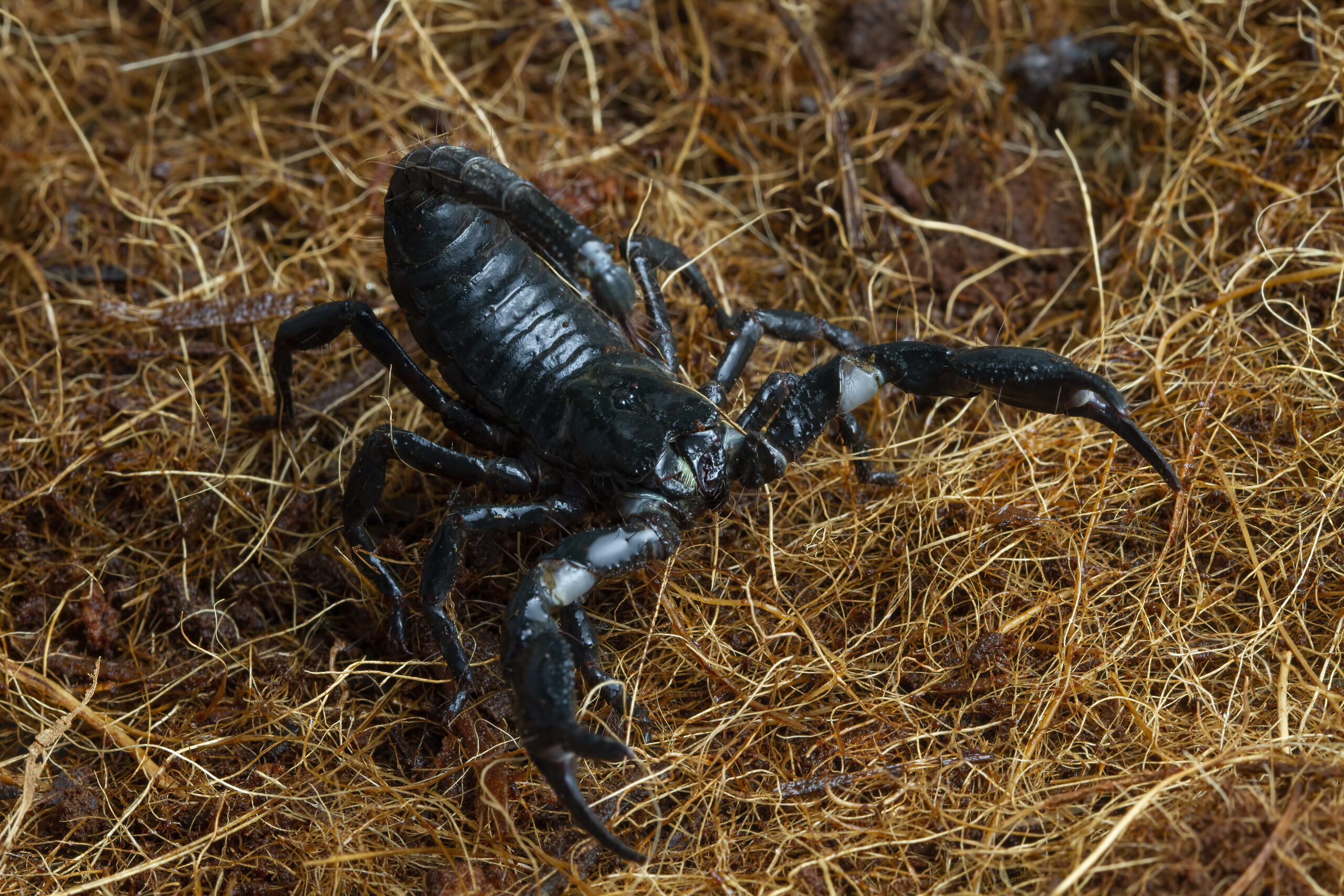
Las Vegas heat changes pest behavior in noticeable ways, especially during the hottest months of the year. As outdoor temperatures rise, scorpions begin moving more actively in search of food, shelter, and moisture. Homeowners may find them near garages, block walls, patios, bathrooms, laundry rooms, or shaded exterior areas where temperatures feel more stable.
Scorpion problems often become more visible in summer because these pests are naturally nocturnal and highly adapted to desert conditions. They may hide during the day, then emerge at night when surfaces cool, and insects become active. Since scorpions feed on other pests, homes with ants, cockroaches, spiders, mosquitoes, rodents, termites, pigeons, bed bugs, or weed-related harborage nearby may experience stronger pest pressure overall.

Desert Heat Pushes Scorpions Toward Shelter
Scorpions tolerate dry environments better than many pests, but extreme heat still influences where they hide and how they move. During the day, they often seek tight, protected spaces that offer cooler temperatures and reduced exposure.
- Cracks near foundations can provide shaded hiding places
- Block walls may create protected movement routes
- Garages often hold boxes, gaps, and quiet corners
- Landscape rocks can trap heat while creating shelter underneath
- Utility penetrations may allow movement closer to indoor areas
When heat becomes intense, scorpions may move toward homes because structures offer shade, moisture, and access to prey. They may not always be searching for people, but they can end up inside when entry points remain unsealed.
Professional inspection helps identify these access routes before activity spreads further indoors. Small exterior gaps that seem harmless may become regular pathways during peak summer movement.
Food Sources Make Homes More Attractive
Scorpions are predators, so their activity often increases where insects are available. A property with recurring cockroach, spider, ant, cricket, or mosquito activity may also become more appealing to scorpions looking for prey. This is why scorpion management often connects to broader pest control rather than one isolated service.
- Cockroach activity can create a steady food source
- Spider and insect populations may support scorpion movement
- Outdoor lighting can attract insects near entry points
- Moisture around plumbing may draw multiple pests indoors
- Dense landscaping can shelter prey insects close to walls
Summer conditions can intensify these patterns. Warmer weather often speeds pest reproduction and movement, which gives scorpions more reason to remain near structures. Homeowners can better understand these seasonal overlaps through this guide to summer pest problems.
Reducing scorpion pressure, therefore, requires attention to the entire pest environment. If prey insects remain active, scorpions may continue visiting the property even after visible sightings temporarily decline.
Why Scorpions Often Appear Indoors At Night
Many homeowners are surprised to find scorpions inside bathrooms, closets, bedrooms, garages, or hallways. Nighttime sightings are common because scorpions prefer moving when temperatures are cooler and light levels are low. Indoors, they may follow wall edges, baseboards, plumbing lines, and dark storage areas.
Scorpions can squeeze through very small openings. Door gaps, damaged weather-stripping, wall cracks, vents, and utility openings may all provide access. Once inside, they often look for quiet hiding places rather than open spaces. Shoes, towels, stored boxes, laundry piles, and floor-level clutter can give them temporary shelter.
From an expert perspective, indoor sightings should not be treated as random events. One scorpion may indicate an entry route, nearby outdoor activity, or a prey source that deserves closer evaluation. Because scorpions are difficult to detect during the day, professional inspection can reveal conditions that routine household observation may miss.
Long-Term Prevention Requires A Full Property Approach
Scorpion control works best when it combines inspection, exclusion, habitat reduction, and treatment planning. Surface-level efforts may reduce occasional sightings, but long-term improvement depends on addressing the conditions that keep scorpions active around the property.
- Seal door gaps, utility openings, and foundation cracks
- Reduce exterior clutter, stacked materials, and unused storage
- Trim vegetation away from walls and windows
- Manage insects that serve as scorpion food sources
- Schedule professional monitoring during peak heat periods
Because Las Vegas pest activity often overlaps, a full-property view matters. Ants, cockroaches, spiders, mosquitoes, rodents, termites, pigeons, bed bugs, and weeds can all influence outdoor conditions in different ways. Understanding the broader pest environment helps create a more complete prevention strategy.
For homeowners reviewing general pest patterns and treatment concepts, these bug control basics explain why identification, monitoring, and source-based control matter. Scorpion prevention follows that same principle. The goal is to reduce shelter, access, food sources, and recurring pressure rather than relying on one-time reactions after sightings occur.
Keep Scorpions From Taking Over Summer Comfort
Scorpions become more active during the Las Vegas heat because warmer conditions increase movement, prey availability, and pressure toward shaded shelter. Long-term prevention depends on identifying entry points, reducing insect activity, and addressing the property conditions that support scorpion problems. Professional support helps make that process more accurate and efficient. For dependable scorpion and pest control support, contact Preventive Pest Control.