
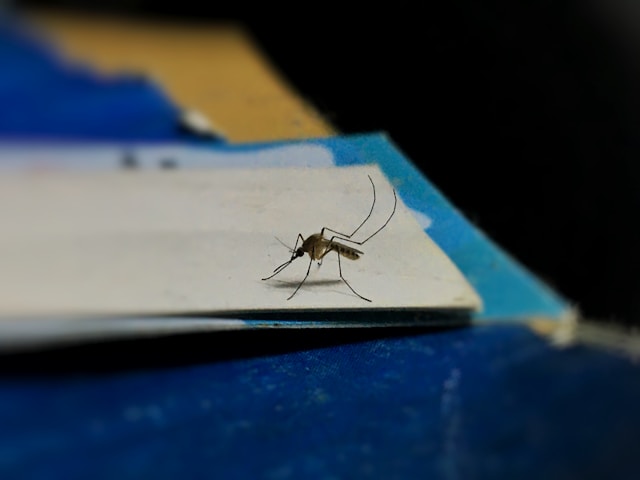
Las Vegas backyards can become active mosquito zones during warm weather. Even in a desert climate, irrigation, shaded landscaping, drains, planters, and small pockets of standing water can provide the moisture mosquitoes need to remain close to patios and outdoor seating areas.
Effective mosquito control starts with understanding where adults rest and where breeding conditions develop. Mosquitoes may gather in shaded shrubs, damp corners, overwatered lawn sections, clogged drainage areas, and containers that hold water. Because activity can shift as temperatures, watering schedules, and landscaping change, a whole-yard approach is usually more effective than reacting only to the places where bites are noticed.
Reduce Standing Water Before It Supports New Mosquitoes
Mosquitoes can develop in very small amounts of water, so the most important breeding sites are not always obvious. A backyard may appear dry while hidden pockets remain after irrigation or rain.
Areas that deserve regular attention include:
- Plant saucers that retain water after irrigation
- Sprinkler boxes with poor drainage
- Clogged drains or gutters near outdoor spaces
- Low lawn areas where water repeatedly pools
- Buckets, toys, or containers that collect water
- Overwatered planters and shaded landscape corners
Desert properties can still experience persistent pest pressure because shade, irrigation, and structures give pests places to survive. A broader look at desert pest pressure helps explain why moisture sources should be evaluated as part of the entire property rather than as isolated puddles.
Manage Shade And Dense Landscaping Around Seating Areas
Adult mosquitoes often rest in cooler, protected areas during the hottest part of the day. Dense shrubs, tall grass, shaded walls, and thick vegetation can create favorable resting zones close to patios and doors.
Landscaping does not need to look neglected to support mosquito activity. A well-maintained yard can still have deep shade, damp mulch, or irrigation that keeps foliage moist longer than expected. These conditions may allow mosquitoes to remain near the areas where people gather in the evening.
Professional inspection helps identify whether mosquitoes are concentrating around specific vegetation, moisture zones, drains, or nearby structures. That information makes mosquito control more precise because treatment can focus on the places mosquitoes actually use instead of applying products broadly across the entire yard.
Watch Irrigation Patterns Throughout The Summer
Watering schedules often change as Las Vegas temperatures rise. Longer run times, more frequent cycles, or small system problems can create new moisture zones that were absent earlier.
Signs worth monitoring include:
- Water remaining after sprinklers shut off
- Repeated overspray onto patios or walls
- Damp mulch that rarely dries between cycles
- Mosquito activity increasing after watering days
- Leaks around valves, hoses, or sprinkler heads
- Shaded soil staying wet longer than nearby areas
These patterns matter because recurring moisture can continually replace the conditions mosquitoes need. A one-time correction may not be enough if irrigation habits change again later in summer.
Consistent monitoring gives technicians a better picture of how water movement, shade, and mosquito activity overlap during summer.
Use Preventive Treatment To Limit Recurring Backyard Pressure
Mosquito management is more effective when it is part of a broader preventive strategy. Preventive service can identify active resting zones, inspect likely breeding areas, and adjust treatment as conditions shift.
A look at preventive pest treatments shows why regular inspection and monitoring can be more effective than waiting for activity to become severe. Las Vegas yards can change quickly as landscaping grows, irrigation increases, storms arrive, or outdoor use becomes more frequent.
Professional mosquito control is designed around those changing conditions. Rather than relying on a one-size-fits-all approach, technicians can evaluate where mosquitoes are active, what is sustaining them, and where new problem areas need attention.
This is especially useful when activity returns soon after earlier improvement, which may indicate fresh breeding conditions nearby.
Keep Outdoor Living Areas Less Attractive To Mosquitoes
Backyards are more enjoyable when pest prevention supports the way the space is actually used. Patios, grills, play areas, pet zones, and outdoor seating often sit close to irrigation and landscaping, so small environmental changes can influence mosquito pressure.
A long-term plan may include:
- Inspecting shaded plants and damp corners regularly
- Monitoring drains, planters, and low spots for water
- Correcting irrigation leaks and repeated pooling
- Reducing overly dense vegetation near gathering areas
- Applying targeted treatment where activity is concentrated
- Scheduling follow-up as summer conditions change
Professional mosquito control adds efficiency because each visit can build on earlier findings. If activity shifts from one side of the yard to another, the treatment plan can be adjusted instead of repeated without context.
The strongest approach is to manage breeding water, resting habitat, irrigation, and treatment together. Las Vegas may be dry overall, but even small backyard moisture sources can create enough support for mosquitoes to remain active. When those conditions are identified early and monitored through the season, homeowners have a better chance of keeping outdoor spaces comfortable in summer.
Keep Your Backyard Ready For Summer Evenings
If mosquitoes are making your backyard less comfortable, contact Preventive Pest Control for professional mosquito control, targeted treatment, and long-term prevention tailored to Las Vegas conditions.